Fall plumbing maintenance gives homeowners an opportunity to catch leaks, slow drains, water heater problems, and worn fixtures before they turn into bigger repairs. In Southern California, fall preparation isn’t primarily about extreme freezing temperatures. It’s about checking the plumbing systems you rely on every day and addressing small warning signs before increased holiday use and seasonal changes put additional demand on your home.
Fall plumbing maintenance doesn’t have to mean preparing your home for snow and ice. For homeowners in Garden Grove and throughout central Orange County, fall is simply a good time to inspect the plumbing systems that have worked hard all year.
Small leaks may have gone unnoticed during the summer. A drain that was slightly slow a few months ago may now be getting worse. Your water heater may be showing signs of wear just as your household starts relying on hot water more frequently.
A seasonal plumbing check can help identify these issues while they’re still manageable. From checking faucets and toilets to monitoring water heater performance, a few practical steps can help keep your plumbing working reliably throughout the fall and into the holiday season.
Quick Facts About Fall Plumbing Maintenance
What Plumbing Maintenance Should You Do This Fall?
A good fall plumbing checklist should cover your water heater, visible plumbing, faucets, toilets, drains, shutoff valves, and outdoor plumbing connections.
You don’t need to disassemble plumbing fixtures or attempt complicated repairs to give your system a basic seasonal check. Start with the parts of your plumbing you interact with every day.
Walk through your home and pay attention to anything that has changed. Does a faucet drip after you shut it off? Does one sink drain noticeably slower than the others? Is a toilet running longer than it used to? Has your hot water become less consistent?
Those small changes are often more useful than waiting for an obvious plumbing failure.
- Check faucets and showerheads for leaks or drips.
- Look beneath sinks for moisture or water stains.
- Check toilets for continuous or intermittent running.
- Pay attention to slow drains and recurring clogs.
- Inspect visible plumbing connections for moisture.
- Look around the water heater for leaks or corrosion.
- Check outdoor faucets and hose connections.
- Make sure accessible shutoff valves aren’t leaking.
- Note unexplained changes in water pressure.
- Schedule a plumber if you discover something you can’t diagnose safely.
Check Your Water Heater Before Cooler Weather
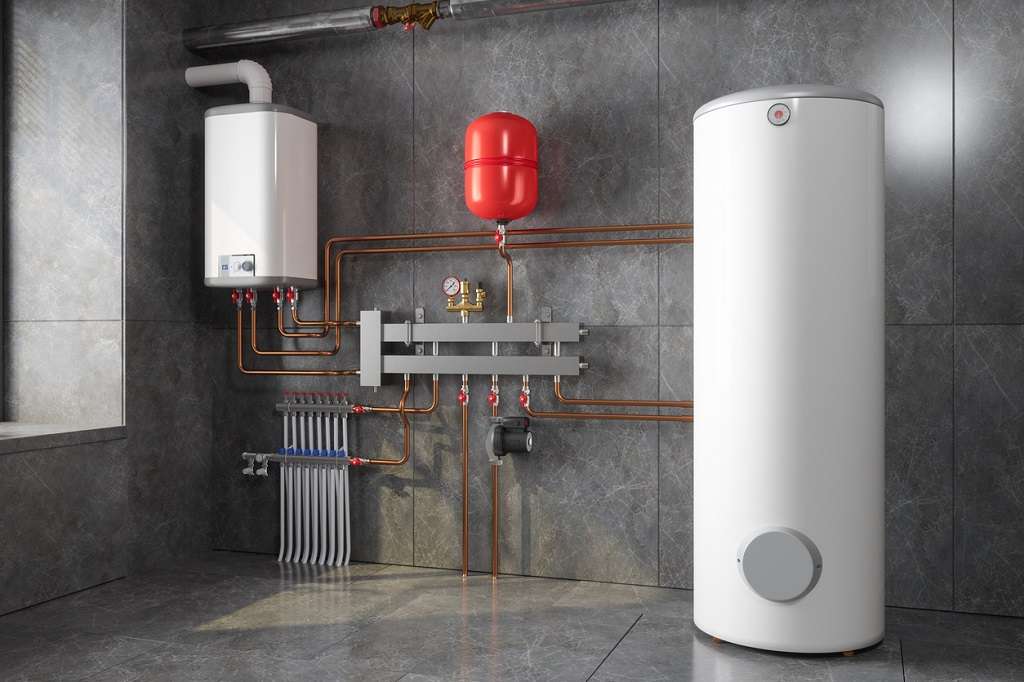
Fall is a good time to check your water heater for leaks, unusual noises, inconsistent temperatures, and other signs that maintenance or repair may be needed.
Your water heater works year-round, but problems become particularly noticeable when your household depends on a steady supply of hot water. Before the holiday season arrives, take a few minutes to look around the unit.
Watch for moisture around the tank or plumbing connections. Rust, corrosion, unusual noises, or water that doesn’t stay consistently hot can also indicate that the system needs attention.
Tankless water heaters have their own maintenance requirements, so homeowners should follow the manufacturer’s recommendations for their specific equipment.
If you’re already noticing problems, P&M’s water heater services can help determine whether your system needs maintenance, repair, or replacement.
Look for Hidden and Visible Plumbing Leaks
Check exposed plumbing and nearby surfaces for dripping, moisture, stains, or other signs of a leak.
Some leaks announce themselves immediately. Others develop slowly behind cabinets, beneath fixtures, or around plumbing connections.
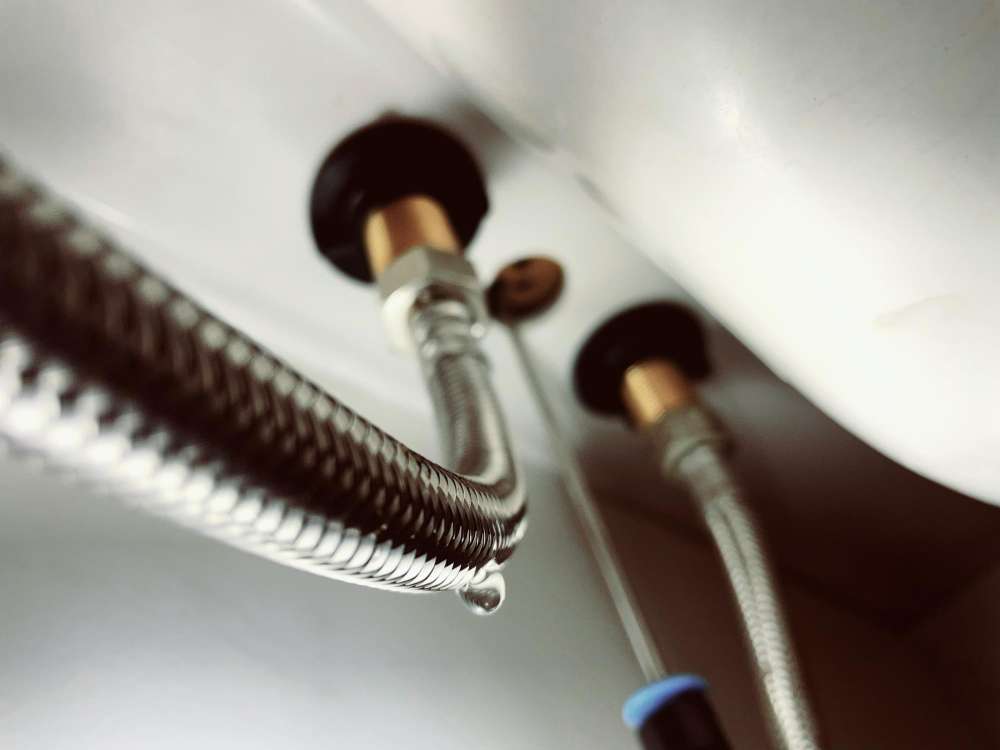
Start underneath kitchen and bathroom sinks. Look for damp cabinet surfaces, water stains, warped materials, or moisture around supply lines and drain connections.
Next, check around toilets, water heaters, laundry connections, and other accessible plumbing. A musty smell or unexplained moisture can also justify a closer inspection.
Not every leak will be visible. An unexplained increase in water usage, the sound of running water when fixtures are off, or persistent dampness can indicate a hidden problem. P&M provides professional leak detection when the source isn’t obvious.
Check Faucets, Toilets, and Shutoff Valves
Fall maintenance should include a quick inspection of the fixtures and valves you depend on every day.
A dripping faucet is easy to dismiss because the plumbing still technically works. A toilet that occasionally runs may seem equally harmless. Both can indicate worn components that deserve attention.
Check each faucet after turning it off. Look around the base and beneath the sink for leaks. Showerheads and faucet aerators can also collect mineral deposits that interfere with normal flow.
For toilets, listen for running water after the tank should have finished filling. Look for moisture around the base and pay attention to toilets that rock or move when used.
Accessible shutoff valves are also worth visually inspecting. These valves are important when you need to isolate a fixture during a plumbing problem, so leaks or obvious deterioration shouldn’t be ignored.
Pay Attention to Slow or Clogged Drains
A drain that repeatedly runs slowly is often telling you that buildup or a blockage is developing somewhere in the line.
Kitchen sinks, bathroom sinks, tubs, and showers can gradually collect grease, soap residue, hair, and other debris. A drain may still function while becoming progressively slower.
Fall is a good opportunity to pay attention to those changes before holiday cooking, houseguests, and increased household activity put additional demand on the plumbing.
One slow drain may point to a localized problem. Multiple slow drains, recurring backups, gurgling, or sewer odors can indicate a larger issue that deserves professional diagnosis.
For stubborn or recurring buildup, professional drain cleaning may be appropriate. P&M also offers hydro jetting for certain drain and sewer problems after evaluating the condition of the plumbing and the type of blockage.
Inspect Outdoor Plumbing After Summer
Check outdoor faucets, hose bibs, and accessible plumbing connections for leaks or damage after months of summer use.
Outdoor plumbing can get plenty of use during warmer weather. Gardening, washing vehicles, filling pools, and other outdoor activities can put faucets and hose connections to work throughout summer.
Disconnect hoses you no longer need and check hose bibs for dripping after they’re turned off. Look for moisture around connections and make sure fixtures aren’t loose or visibly damaged.
Orange County homeowners generally don’t need the same extensive freeze preparation associated with colder regions, so there’s no reason to turn a Southern California fall plumbing checklist into a guide about surviving deep freezes. Instead, use the season as a reminder to inspect outdoor plumbing and address anything that was damaged or worn during summer.
Watch for Changes in Water Pressure
A noticeable change in water pressure deserves attention because the cause can range from a fixture problem to a larger plumbing issue.
If only one faucet has weak flow, the problem may be as simple as a clogged aerator. If pressure has changed throughout the house, there may be another issue affecting the plumbing system.
Leaks, mineral buildup, valves, pressure-regulating equipment, and supply conditions can all influence plumbing performance. Rather than guessing, note whether the problem affects hot water, cold water, one fixture, or the entire home. That information can make professional diagnosis easier.
Why Fall Maintenance Matters Before the Holidays
Addressing plumbing problems before the holiday season can help your home handle increased kitchen, bathroom, and hot-water use.
Extra cooking can mean more work for kitchen drains. Overnight guests can increase toilet, shower, and hot-water use. A plumbing problem that was only mildly inconvenient during a normal week can become much more disruptive when the house is busy.
You don’t need to replace perfectly functional plumbing simply because fall has arrived. The goal is preventive awareness: identify components that are already showing signs of trouble and address them before they fail at a particularly inconvenient time.
When Should You Schedule a Fall Plumbing Inspection?
Consider calling a plumber when you notice recurring leaks, unexplained pressure changes, persistent slow drains, water heater problems, unusual plumbing noises, or other symptoms you can’t confidently diagnose.
Some seasonal maintenance is simple enough for homeowners to handle. Cleaning an aerator or looking under a sink doesn’t require a professional service call.
The situation changes when a problem keeps coming back, involves hidden plumbing, affects multiple fixtures, or requires specialized tools and experience.
A professional plumber can diagnose the source of the problem rather than simply treating the symptom. P&M’s plumbing services cover common residential and commercial needs, including water heaters, leaks, drains, and other plumbing repairs.
Fall Plumbing Maintenance in Orange County
Seasonal plumbing advice should match the climate where you actually live. Garden Grove and central Orange County don’t experience the same winter conditions as homeowners in colder parts of the country, so fall plumbing maintenance should focus on the problems most relevant to local homes.
That means checking for leaks, watching drain performance, inspecting your water heater, addressing fixture problems, and making sure everyday plumbing is operating as expected.
P&M is based in Garden Grove and serves communities throughout central Orange County, including Anaheim, Westminster, Santa Ana, Huntington Beach, Irvine, and surrounding areas. When a seasonal inspection uncovers a problem, professional diagnosis can help determine what actually needs repair instead of replacing components unnecessarily.
Frequently Asked Questions About Fall Plumbing Maintenance
What plumbing maintenance should I do in the fall?
Do Southern California homeowners need to winterize their plumbing?
What are signs of a hidden plumbing leak?
Should I flush my water heater every fall?
When is a slow drain a plumbing problem?
Why does my water pressure seem lower than usual?
When should I call a plumber for fall maintenance?
The Bottom Line
Fall plumbing maintenance in Orange County isn’t about preparing for months of extreme cold. It’s an opportunity to check the systems your household relies on every day and catch developing problems before the busy holiday season.
Take a few minutes to inspect faucets, toilets, drains, visible pipes, outdoor connections, and your water heater. Pay attention to anything that has changed since the beginning of the year. A small drip, recurring slow drain, or change in water pressure may be worth investigating before it becomes a larger problem.
If your fall plumbing checklist uncovers something that needs professional attention, P&M can diagnose the problem and recommend the appropriate next step for your home.
Further Reading & References
- Plumbing Services — P&M
- Water Heater Services — P&M
- Leak Detection — P&M
- Hydro Jetting — P&M
- Faucet and Showerhead Operations & Maintenance — U.S. Department of Energy