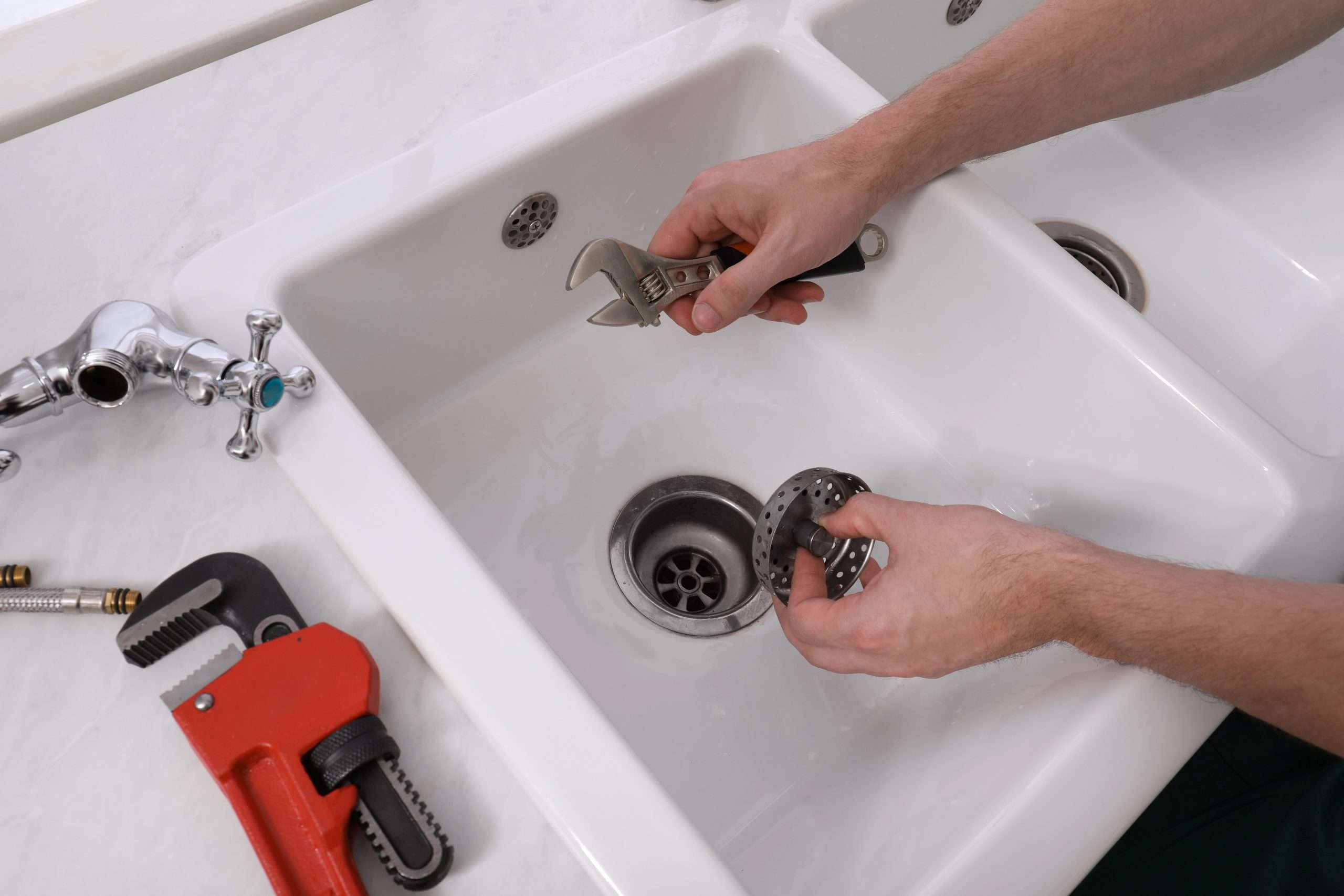
Frozen pipes prevention starts before temperatures drop. Even in Southern California, unusually cold nights can put exposed or poorly protected plumbing at risk. Insulate vulnerable pipes, disconnect outdoor hoses, locate your main water shutoff valve, and check for existing leaks to prepare. P&M helps Garden Grove and Orange County homeowners identify plumbing concerns before they become costly emergencies.
When Southern California afternoons still feel like summer, preparing your plumbing for winter probably isn’t at the top of your to-do list.
But cooler weather has a way of arriving before homeowners are ready.
While Orange County rarely experiences the prolonged freezing conditions seen in colder parts of the country, a sudden cold snap can still create problems for exposed outdoor pipes, irrigation connections, and plumbing in unheated areas.
The good news? Frozen pipes prevention doesn’t have to be complicated. A few early maintenance tasks can help you protect vulnerable plumbing, recognize existing problems, and prepare your household for unexpected cold weather.
Here’s what homeowners should know about winter plumbing prep, pipe insulation, and protecting their water supply before temperatures fall.
Quick Facts: Frozen Pipes Prevention
Can Pipes Really Freeze in Southern California?
Yes, pipes can freeze in Southern California when temperatures drop low enough, particularly if the plumbing is exposed or poorly insulated. However, the risk varies significantly by location, weather conditions, and how a home is constructed.
Garden Grove, Huntington Beach, Anaheim, and surrounding Orange County communities generally experience mild winters. Many homes may never encounter a frozen pipe.
Still, freezing temperatures are possible during unusual cold-weather events, especially in colder inland or exposed locations.
The most important consideration isn’t simply the city you live in. It’s whether any part of your plumbing could be exposed to temperatures low enough, for long enough, for water inside the pipe to freeze.
Outdoor faucets, exposed supply lines, and plumbing in unheated areas deserve particular attention.
When water freezes inside a pipe, expanding ice can create a blockage. Pressure may build in the trapped water, potentially causing a pipe or connection to rupture. A leak may not become obvious until the ice thaws and water begins flowing again.
That’s why preventing freezing is preferable to discovering a damaged pipe after temperatures rise.
What Should Be on Your Winter Plumbing Prep Checklist?
Winter plumbing prep should focus on exposed pipes, outdoor water connections, insulation, shutoff valves, and existing plumbing problems.
Even if your home is unlikely to experience a hard freeze, these maintenance steps can improve your understanding of the plumbing system and help you prepare for other emergencies.
- Locate exposed outdoor and unheated-area water pipes.
- Check existing pipe insulation for gaps or damage.
- Disconnect garden hoses before freezing weather.
- Inspect outdoor faucets and irrigation connections.
- Locate and identify your main water shutoff valve.
- Check beneath sinks and around visible pipes for leaks.
- Look for openings that allow cold air to reach plumbing.
- Review the weather forecast when unusually cold nights are expected.
- Arrange a professional inspection if you notice corrosion, leaks, or deteriorating plumbing.
How Does Pipe Insulation Help Prevent Freezing?
Pipe insulation helps slow heat loss, giving exposed water lines additional protection during cold weather. However, insulation alone cannot guarantee that a pipe won’t freeze during prolonged exposure to sufficiently low temperatures.
Foam pipe sleeves are a common option for accessible residential plumbing. Other insulation materials may be appropriate depending on the pipe’s location and exposure.
Which Pipes Should You Insulate?
Start by identifying plumbing in locations that may become colder than the rest of your home.
- Outdoor water lines: Exposed pipes serving faucets, irrigation equipment, or other exterior fixtures.
- Unheated garages: Water supply lines running through spaces without reliable heating.
- Crawl spaces: Accessible plumbing that may be exposed to outdoor air.
- Exterior walls: Pipes located near poorly insulated wall cavities.
- Other unconditioned areas: Plumbing in locations that can experience significant temperature drops.
Can You Install Pipe Insulation Yourself?
Some accessible pipes can be insulated with properly sized sleeves designed for the pipe material and installation location.
Before purchasing insulation, check the pipe diameter, whether the material is suitable for outdoor use, and whether the installation requires special precautions.
Do not cover damaged pipes or leaking fittings without addressing the underlying problem first.
For inaccessible plumbing, unusual installations, or pipes located near electrical or heating equipment, consult a qualified professional.
What About Heat Tape or Heating Cables?
Some properties use purpose-built pipe heating cables for additional freeze protection.
These products must be suitable for the specific pipe material and installation environment. Follow all manufacturer instructions and applicable electrical safety requirements.
Improperly installed or damaged heating products can create fire or electrical hazards. Professional installation is a sensible choice when the setup is unfamiliar.
Why Should You Disconnect Garden Hoses Before Cold Weather?
Disconnecting garden hoses allows outdoor faucets and connected plumbing to drain more effectively, reducing the possibility of trapped water freezing.
A hose left connected can retain water near the faucet, particularly if the hose is kinked, elevated, or fitted with an attachment that prevents drainage.
Before a forecast freeze:
- Disconnect hoses from outdoor faucets.
- Drain remaining water from the hoses.
- Store hoses and removable attachments appropriately.
- Inspect faucets for dripping, cracks, or loose connections.
- Use any dedicated outdoor water shutoff and drain features according to the system’s instructions.
For homeowners with irrigation systems, winter preparation depends on the equipment and local conditions. Do not assume every system requires the same draining procedure.
If you are unsure how to isolate or drain an outdoor water line, a plumber can help you identify the appropriate components.
Where Is Your Main Water Shutoff Valve?
Your main water shutoff valve controls the water entering your home and is one of the most important components to locate before a plumbing emergency.
If a pipe bursts or a supply line fails, shutting off the water promptly can limit additional damage.
Depending on the property’s plumbing configuration, the shutoff may be near the water meter, garage, exterior wall, or another designated location.
How to Prepare Your Household
- Find the main water shutoff valve before an emergency.
- Make sure household members know its location.
- Keep the valve accessible and free of stored items.
- Identify individual shutoff valves beneath sinks and near toilets.
- Ask a plumber to inspect any valve that appears damaged, seized, or leaking.
Do not force a stuck valve or operate utility-owned equipment if you are unsure whether you are authorized to use it.
Knowing where to shut off the water is valuable year-round, not just during freezing weather.
Should You Check for Plumbing Leaks Before Winter?
Yes. Addressing existing leaks before winter reduces the likelihood of multiple plumbing problems during an unexpected cold-weather event.
A small leak doesn’t necessarily mean a pipe is about to freeze, but moisture, corrosion, and deteriorating connections can indicate plumbing components that need attention.
Look for these warning signs:
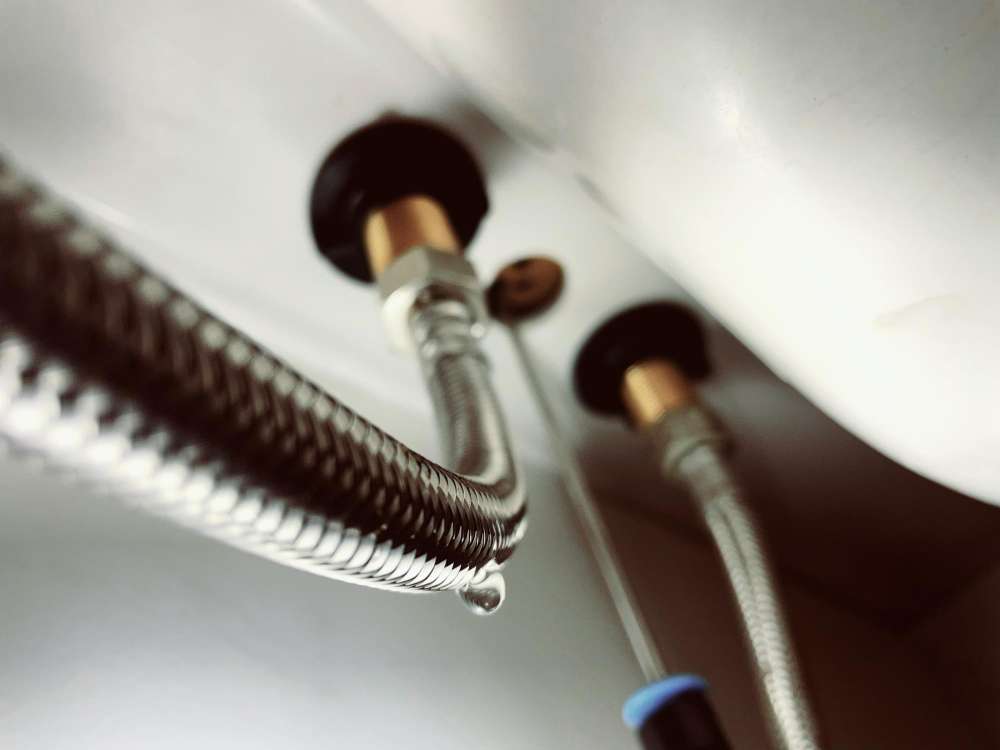
- Water stains beneath sinks or around exposed pipes.
- Dripping outdoor faucets.
- Corrosion around fittings and connections.
- Unexpectedly low water pressure.
- Musty odors or persistent dampness.
- Unexplained increases in water consumption.
If you suspect a concealed leak, P&M’s leak detection services can help identify the source and determine whether repairs are needed.
What Should You Do When Freezing Temperatures Are Forecast?
When freezing temperatures are expected, protect vulnerable plumbing by maintaining indoor warmth, allowing heated air to reach exposed indoor pipes, and following local cold-weather guidance.
The appropriate precautions depend on the severity and duration of the forecast, the home’s insulation, and the location of the plumbing.
Keep Indoor Areas Warm
Maintain a reasonable indoor temperature during unusually cold weather, especially when your home has plumbing along exterior walls or in areas that receive less heat.
If you’re traveling, avoid turning the heating system off completely when a freeze is forecast.
Open Cabinet Doors When Appropriate
For sinks installed against exterior walls, opening cabinet doors can allow warmer indoor air to circulate exposed plumbing.
Keep household chemicals and other hazardous items away from children and pets when cabinets are open.
Should You Let Faucets Drip?
During a significant freeze, allowing a small amount of water to flow from a vulnerable faucet may be recommended as an additional precaution.
However, this isn’t necessary for every cool night in Orange County and shouldn’t replace insulation or other preventive measures.
Follow guidance from your local water provider and weather authorities. Consider water conservation and the specific plumbing configuration before using this measure.
Monitor Weather Alerts
Pay attention to overnight lows and official freeze warnings rather than assuming that a sunny afternoon means temperatures will remain mild after dark.
The National Weather Service recommends preparing before extreme cold arrives, including checking forecasts and protecting vulnerable plumbing.
What Should You Do If a Pipe Freezes?
If you suspect a frozen pipe, avoid open flames, locate your water shutoff valve, and check for signs of leakage or damage.
A frozen pipe may produce little or no water at a faucet. In some cases, the pipe may already be damaged even if water isn’t visibly leaking.
Do not use a blowtorch, propane heater, or other open-flame device on frozen plumbing. These methods can cause fires, damage pipes, and create serious safety hazards.
Avoid electrical appliances near standing water. If a pipe is inaccessible, damaged, or located near electrical equipment, contact a qualified plumber rather than attempting to thaw it yourself.
If a pipe has burst, shut off the main water supply if it is safe to do so and contact an emergency plumber.
Water damage may become more apparent as the frozen section thaws, so continue monitoring the affected area until the plumbing has been assessed.
P&M provides emergency plumbing services for urgent leaks and burst pipes throughout its central Orange County service area.
When Should You Schedule a Winter Plumbing Inspection?
Consider scheduling a winter plumbing inspection before colder weather arrives, particularly if your home has exposed water lines, aging plumbing, recurring leaks, or outdoor fixtures that haven’t been checked recently.
An inspection can help identify visible problems and determine whether specific components would benefit from repair or additional protection.
Depending on the property’s plumbing system and the scope of the appointment, a professional may evaluate:
- Accessible supply pipes and fittings.
- Visible corrosion or deterioration.
- Outdoor faucets and exposed connections.
- Existing insulation around vulnerable pipes.
- Main and fixture-level shutoff valves.
- Signs of leaks or abnormal water pressure.
Not every home needs extensive winterization. The goal is to identify actual vulnerabilities and make practical improvements suited to your property.
Winter Plumbing Preparation in Garden Grove and Orange County
Southern California homeowners have different winter plumbing concerns than residents of regions where extended freezing temperatures are routine.
For many Orange County properties, the most useful approach is straightforward: inspect exposed plumbing, address existing leaks, protect vulnerable outdoor connections, and know how to respond if an unusually cold night creates a problem.
P&M is based in Garden Grove and serves Anaheim, Westminster, Santa Ana, Huntington Beach, Irvine, and surrounding central Orange County communities.
Whether you’re concerned about an exposed water line, a dripping outdoor faucet, or a shutoff valve that doesn’t operate properly, the team can help assess your plumbing and explain appropriate next steps.
Explore P&M’s plumbing services to learn more about available repair and maintenance options.
Frequently Asked Questions About Frozen Pipes Prevention
Can pipes freeze in Orange County, California?
What is the best way to prevent frozen pipes?
Does pipe insulation completely prevent freezing?
Should I disconnect garden hoses during winter?
What should I do if my pipes freeze but haven’t burst?
When should I start winter plumbing preparation?
Is a winter plumbing inspection necessary in Southern California?
Get Your Plumbing Ready Before the Cold Arrives
When summer temperatures seem to stretch endlessly into fall, it’s easy to put winter preparation off for another day.
But protecting your plumbing doesn’t require waiting for a freeze warning.
Checking exposed pipes, insulating vulnerable connections, disconnecting hoses, and learning where your water shutoff valve is located are simple steps that can help you prepare for unexpected weather.
If you’re unsure about your home’s plumbing condition, P&M can help you identify concerns and determine whether maintenance or repairs are appropriate.
Schedule a winter plumbing inspection through P&M’s contact page or call (714) 972-9662 to discuss your home’s plumbing needs.