Not every plumbing problem starts with a major leak or overflowing drain. Changes in water pressure, slow drains, unusual odors, discolored water, noisy pipes, and unexplained moisture can all be early signs of plumbing problems. Paying attention to what’s changed—and whether the problem affects one fixture or several—can help you determine when it’s time to call a plumber.
Some plumbing problems are impossible to miss. A burst pipe, overflowing toilet, or water pouring from beneath a sink gets your attention immediately.
Other signs of plumbing problems are much easier to overlook.
A faucet suddenly has weaker flow. The shower drain takes a little longer to empty. You occasionally hear a banging noise after shutting off the water. There’s a strange smell near a drain that keeps coming back.
None of these symptoms automatically means you have a major plumbing failure. But changes in how your plumbing normally looks, sounds, smells, or performs can provide valuable clues that something needs attention.
Knowing which plumbing warning signs to watch for can help you address smaller problems before they become more disruptive.
Quick Facts: Plumbing Warning Signs
What Are the Early Signs of Plumbing Problems?
Early plumbing warning signs include persistent pressure changes, slow drains, unusual odors, discolored water, unexplained moisture, running-water sounds, and new noises from pipes or fixtures.
The most useful question isn’t always, “Is this normal?” Instead, ask, “Has something changed?”
Homes have their own plumbing quirks. A fixture that has always had slightly lower flow isn’t necessarily an emergency. But a sudden drop in pressure, a drain that becomes progressively slower, or a new stain appearing beneath a sink deserves a closer look.
- Sudden or persistent changes in water pressure
- Multiple drains running slowly at the same time
- Recurring drain or sewer backups
- Persistent sewer-like odors
- Brown, yellow, or otherwise discolored water that doesn’t quickly clear
- Banging, vibrating, or rattling pipes that keep returning
- Water stains or unexplained damp spots
- Musty odors near walls, cabinets, or plumbing fixtures
- The sound of running water when fixtures are turned off
- Unexplained changes in household water use
Why Is My Water Pressure Suddenly Changing?
A change in water pressure can come from something as simple as a clogged fixture or from a broader issue involving valves, leaks, mineral buildup, or the water supply.
Start by determining how widespread the problem is.
If one bathroom faucet has weak flow while every other fixture works normally, the problem may be isolated to that faucet or its aerator. If pressure seems lower throughout the house, the cause may involve a larger part of the plumbing system.
Pressure problems can also behave differently. Some homes experience consistently low pressure, while others may notice sudden fluctuations or changes between fixtures.
Because there are several possible causes, persistent pressure changes shouldn’t be diagnosed from the symptom alone. A plumber can determine whether the issue is related to a fixture, valve, leak, piping condition, pressure-regulating equipment, or another part of the system.
When Is a Slow Drain More Than a Clog?
A single slow drain often indicates a localized blockage, while multiple slow drains, recurring backups, or gurgling can indicate a problem farther down the drainage system.
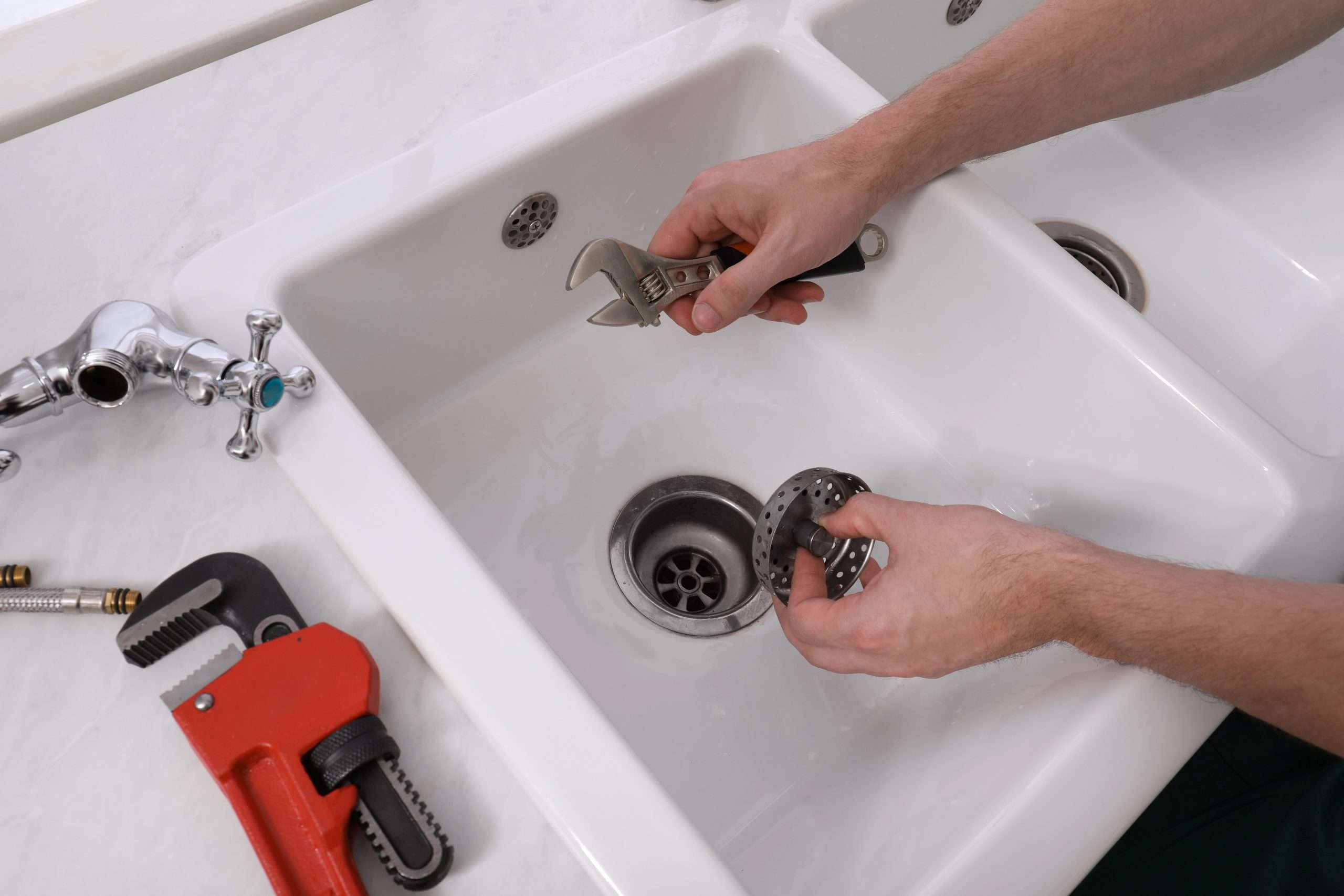
Hair, soap residue, grease, food particles, and other debris can gradually collect inside drains. At first, water may simply take a little longer to disappear.
If the blockage continues to grow, drainage can become progressively slower or stop completely.
Pay particular attention when more than one fixture begins acting differently. If several drains are slow, toilets gurgle when another fixture is used, or wastewater repeatedly backs up, the problem may extend beyond a single sink or shower.
Repeatedly treating the symptom without determining the cause can leave the underlying blockage in place. P&M offers professional hydro jetting for appropriate drain and sewer problems after evaluating the plumbing and determining the right cleaning method.
Why Does My Drain Smell Bad?
A bad drain smell can come from organic buildup, a dry trap, drainage problems, or issues involving the plumbing vent system.
That means an unpleasant odor doesn’t automatically mean the drain needs aggressive cleaning.
Plumbing traps hold water that helps prevent sewer gases from entering occupied spaces. In fixtures that aren’t used often, that water can evaporate and allow odors to enter. The U.S. Environmental Protection Agency notes that dry drain traps and improperly located or functioning sewer vents can allow sewer gases into buildings.
Frequently used sinks can develop odors for different reasons, including material accumulating inside the drain.
If an odor keeps returning, appears at several fixtures, or smells strongly like sewage, professional diagnosis can help identify whether the source is the drain itself, the trap, venting, or another part of the drainage system.
What Causes Brown or Discolored Water?
Discolored tap water can have several causes, including sediment, iron, manganese, corrosion, water-heater conditions, or changes within the public water distribution system.
The location of the discoloration can provide an important clue.
Does it happen at one faucet or throughout the home? Does it appear only when you run hot water? Is both hot and cold water affected? Did the change appear suddenly?
If discoloration only appears with hot water, the water heater may deserve closer investigation. If both hot and cold water suddenly change throughout the home, the issue could originate outside the water heater or even outside the home’s plumbing.
The EPA identifies iron and manganese among substances that can affect water color and notes that corrosion and sediment can also contribute to aesthetic water-quality changes.
Persistent or unexplained discoloration shouldn’t be diagnosed based on color alone. Depending on where the problem originates, the appropriate next call may be a plumber or your local water provider.
Why Are My Pipes Banging or Rattling?
Banging or rattling pipes can result from water movement, loose piping, pressure-related conditions, or other plumbing components that need inspection.
One commonly discussed cause of banging is water hammer, which can occur when moving water stops or changes direction quickly. Other noises may come from piping that isn’t adequately secured or from specific valves and fixtures.
The timing of the noise matters.
Does it happen when a washing machine stops filling? After a toilet finishes running? When you shut off a faucet? Does it happen randomly even when no one appears to be using water?
Those details can help a plumber narrow down the source.
A single occasional sound isn’t necessarily evidence of serious damage, but repeated banging, shaking, or other new plumbing noises shouldn’t simply become part of the background.
What Are the Signs of a Hidden Water Leak?
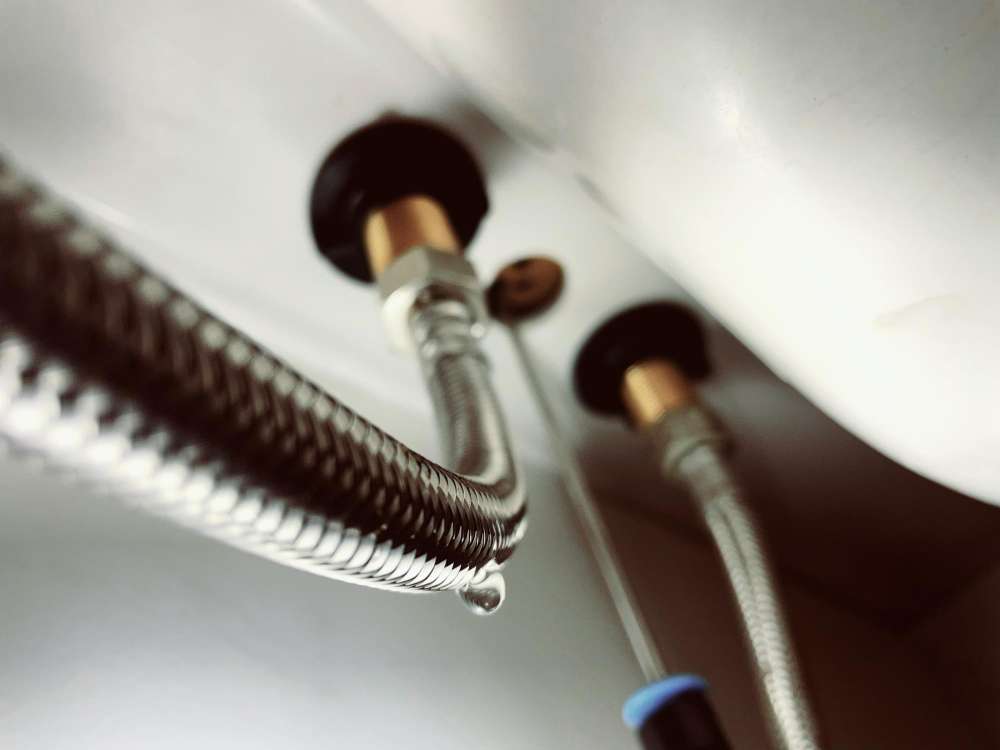
Hidden leaks can reveal themselves through water stains, damp areas, musty smells, unexplained water use, pressure changes, or the sound of running water when fixtures are off.
Not every leak creates a visible puddle.
Water can escape behind walls, beneath floors, under cabinets, or from plumbing that isn’t readily accessible. By the time visible damage appears, the leak may have been present for some time.
Watch for changes such as bubbling or stained paint, warped materials, recurring dampness, or areas that smell musty without an obvious explanation.
If you suspect water is escaping somewhere you can’t see, P&M’s leak detection services can help locate the source and determine the appropriate repair.
When Should You Call a Plumber?
Call a plumber when a symptom persists, keeps returning, affects multiple fixtures, involves hidden plumbing, or can’t be safely diagnosed with a simple visual check.
Homeowners don’t need a professional visit every time a faucet aerator needs cleaning. At the same time, repeatedly treating a symptom without knowing its cause can allow the actual problem to continue.
A useful rule is to look at the pattern.
One slow sink may be a localized clog. Several slow drains are different. A single faucet with low flow may need attention at that fixture. A sudden pressure change throughout the home deserves a broader investigation.
If you’re dealing with recurring plumbing warning signs, P&M’s plumbing services can help identify the cause and explain the repair options available.
Recognizing Plumbing Problems in Orange County Homes
Homes throughout Garden Grove and central Orange County vary in age, plumbing materials, fixtures, and previous repairs. That means the same symptom doesn’t necessarily have the same cause in every property.
That’s where diagnosis matters.
P&M works with homeowners throughout Garden Grove, Anaheim, Westminster, Santa Ana, Huntington Beach, Irvine, and surrounding communities. Instead of assuming a slow drain, pressure problem, or unusual noise has one universal solution, a plumber can evaluate how the symptom fits into the condition of the home’s actual plumbing system.
The earlier you notice something has changed, the more information you can provide when it’s time for a professional evaluation.
Frequently Asked Questions About Plumbing Warning Signs
How do I know if I have a hidden water leak?
Should I worry about one slow drain?
Why does my water pressure suddenly seem lower?
Is a sewer smell from a drain dangerous?
Why is my tap water brown or yellow?
Why do my pipes bang when I turn off a faucet?
When should I stop troubleshooting a plumbing problem myself?
Pay Attention When Your Plumbing Changes
You don’t need to know exactly what’s wrong every time your plumbing behaves differently. You just need to notice when something has changed.
A slow drain, strange noise, pressure change, unpleasant odor, or damp spot may have a simple explanation. When the symptom persists or begins affecting other parts of the plumbing system, however, it’s worth finding out why.
Pay attention to where the problem occurs, when it happens, and whether other fixtures are affected. Those details can make it easier to diagnose the issue instead of guessing at the solution.
If your home is showing signs of a plumbing problem you can’t explain, contact P&M to have the issue evaluated and determine the right next step.
Further Reading & References
- Plumbing Services — P&M
- Leak Detection — P&M
- Hydro Jetting — P&M
- Contact P&M
- Secondary Drinking Water Standards — U.S. Environmental Protection Agency