Tankless vs. Tank Water Heaters
Choosing between a tankless vs tank water heater can make a big difference in how efficiently your home uses energy and how much you spend on utilities each month. Water heating accounts for a major share of household energy use, so selecting the right system can help you save money while maintaining comfort. Whether you are building a new home or replacing an older unit, understanding how each type of water heater works can help you make a smart, long-term investment.
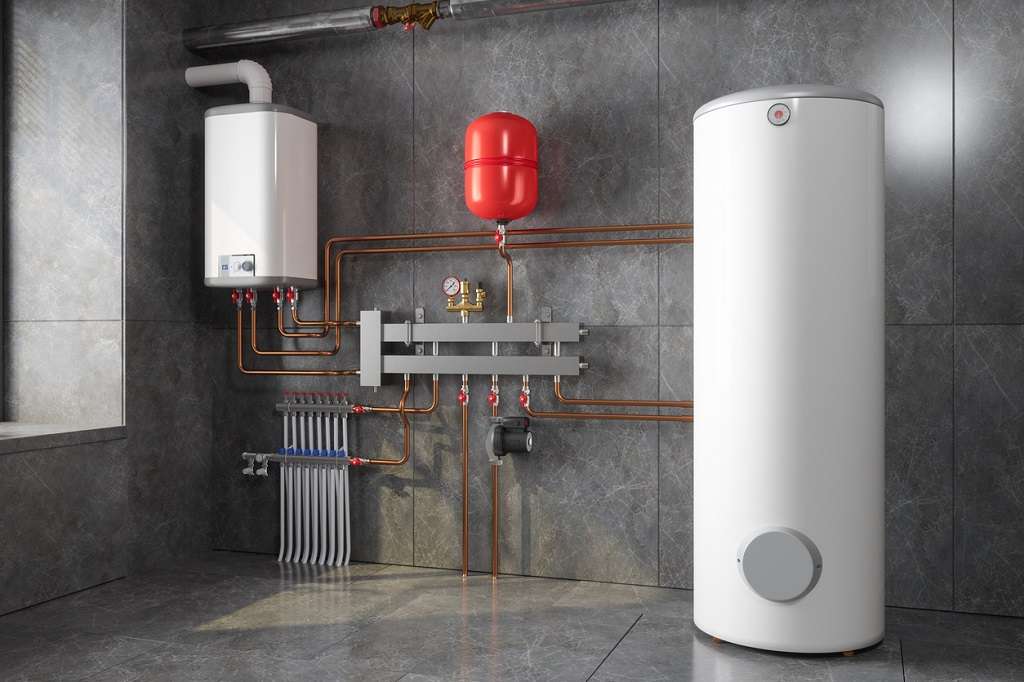
Tank water heaters store a large amount of hot water in an insulated tank, keeping it ready for use at all times. Tankless water heaters, on the other hand, heat water only when needed. This difference in operation can affect both energy use and cost over time. Many homeowners look for the best water heater for home use that balances performance, efficiency, and affordability. The choice often depends on household size, water usage habits, and budget.
This article will compare the two systems in terms of cost, efficiency, and maintenance. You’ll learn how the upfront price of each unit relates to its long-term savings, and what makes one option more energy-efficient than the other. By understanding these differences, you can decide which system fits your lifestyle and helps you save more in the long run.
Comparing Initial and Long-Term Costs
When comparing the initial costs of tankless and tank water heaters, the difference can be significant. A traditional tank heater usually costs less to purchase and install. It’s a straightforward system that connects easily to most existing plumbing setups. However, this lower upfront cost often comes with higher long-term expenses because the unit continuously heats water even when it’s not in use. Over time, this constant operation can increase energy bills.
A tankless water heater typically costs more to install because it requires specialized venting and, in some cases, upgraded gas or electrical connections. Despite the higher initial investment, many homeowners find that the long-term savings make it worthwhile. Since the system only heats water when needed, it uses less energy overall. This efficiency can reduce monthly utility costs and offset the higher purchase price over time. The lifespan of a tankless unit is also typically longer, which can further enhance its value.
When choosing between different water heaters, it’s important to consider both short-term and long-term costs. A tank water heater may be a better fit for smaller households or those with lower hot water demands. Larger families or homes that use hot water frequently benefit more from a tankless system, as it can provide continuous hot water without running out. Each home’s needs are unique, and what works best for one household may not be ideal for another. It’s always a good idea to consult a professional to ensure you’re making a decision that aligns with your home’s plumbing system, energy goals, and budget.
Efficiency Differences and Energy Savings
Energy efficiency is one of the biggest differences between tankless and tank water heaters. A tank water heater keeps a large supply of water hot at all times, which means it constantly uses energy to maintain the desired temperature. This process, known as standby heat loss, can waste energy when hot water isn’t being used. In contrast, a tankless system heats water only when needed, making it a more energy-efficient water heater for many households.
Because tankless water heaters operate on demand, they often use less energy overall. They can provide a steady flow of hot water without the need to store it, which helps reduce wasted heat. This design can lower energy bills and make the system more environmentally friendly. However, the actual savings depend on how much hot water your home uses. For example, a large household that uses multiple showers, dishwashers, and laundry loads at once may need more than one tankless unit to keep up with demand. In these cases, the energy savings may be smaller compared to a single-family home with moderate water use.
Tank water heaters, while less efficient, can still be a good option for homes with consistent but moderate hot water needs. Some newer models are designed to improve insulation and reduce heat loss, thereby performing better than older versions. The best way to determine which system will save more energy in your home is to evaluate your water usage patterns and compare efficiency ratings. Both types of systems can contribute to lower energy costs when properly sized and installed. However, a tankless unit generally offers greater long-term savings for households that use hot water throughout the day.
Interesting Facts About Tankless vs. Tank Water Heaters
Understanding the differences between tankless and tank water heaters can help homeowners make smarter decisions about energy use, space management, and long-term savings. Here are some key facts that highlight how each system performs and what to consider when choosing the right one for your home.
- A tankless water heater only heats water when needed, which may reduce standby energy loss compared to traditional tank models that keep water hot 24/7.
- While tankless systems often cost more upfront, they typically last up to twice as long as tank units, which can make them a better long-term investment for homeowners focused on energy efficiency.
- Tank water heaters require more frequent maintenance, including periodic flushing to prevent sediment buildup. Neglecting this can lead to leaks, often detected through routine leak detection services.
- Because tankless systems are compact and wall-mounted, they can save valuable floor space, making them ideal for smaller homes or utility areas where installation flexibility is important. Professional installation guidance is available through qualified plumbing experts.
- Energy-efficient designs play a key role in sustainability. Many homeowners choose systems that align with the eco-friendly values promoted by PNM Plumbing Inc., which supports sustainable plumbing practices.
- There’s no one-size-fits-all solution when it comes to water heating. Each home’s water usage and layout determine which system performs best. Trusted brand partners offer a range of options to help tailor solutions to specific household needs.
- Upgrading to a more efficient water heater can also improve plumbing system health. Regular maintenance, such as drain cleaning, helps ensure both tank and tankless systems operate smoothly over time.
Maintenance Needs and Lifespan
When comparing a tankless vs tank water heater, maintenance plays a major role in long-term performance and cost. Tankless systems generally require less frequent attention but still need periodic flushing to remove mineral buildup, especially in areas with hard water. This helps maintain heating efficiency and prevents internal scaling that can shorten the system’s lifespan. Traditional tank water heaters, on the other hand, need annual flushing to reduce sediment accumulation at the bottom of the tank, which can cause overheating and reduce energy efficiency over time.
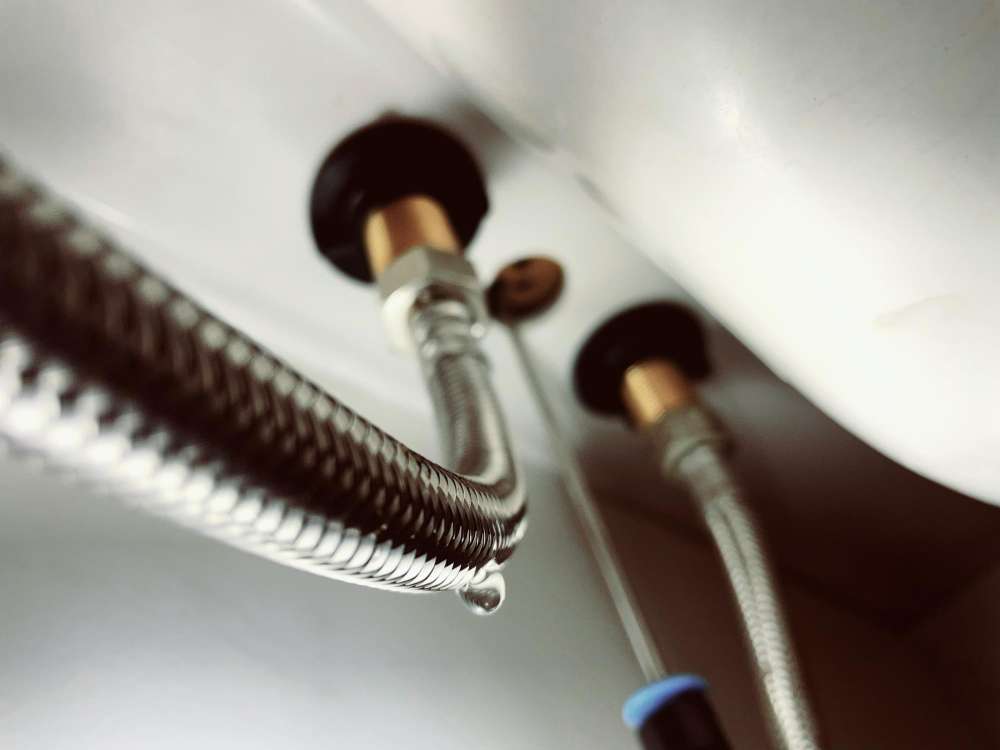
Both types of water heaters benefit from regular inspections to identify leaks, corrosion, or faulty components early. Even small leaks can lead to significant damage if left unchecked, making it wise to schedule professional leak detection services as part of routine maintenance. These inspections can help homeowners avoid costly repairs and extend the life of their equipment.
In terms of lifespan, tankless water heaters typically last up to 20 years or more with proper care, while tank models average around 10 to 15 years. The longer lifespan of tankless units can offset their higher upfront cost over time. However, both systems require consistent upkeep to perform efficiently. Staying proactive about maintenance ensures that whichever system you choose continues to deliver reliable hot water and energy savings for years to come.
Space and Installation Considerations
Space availability often influences the decision between a tankless vs tank water heater. Tankless units are compact and mount easily on walls, freeing up valuable floor space in basements, garages, or utility rooms. This makes them ideal for smaller homes or properties where space is limited. Tank models, however, require a dedicated area large enough to accommodate the cylindrical storage tank, which can range from 30 to 80 gallons depending on household demand.
Installation requirements also differ between the two systems. Tankless heaters may need upgraded gas lines or electrical systems to handle higher power demands, while tank models typically connect directly to existing plumbing with fewer modifications. Homeowners considering a switch should plan for potential adjustments to venting or wiring to ensure safe and efficient operation.
Because installation complexity varies by home layout and existing infrastructure, it’s always a good idea to consult a professional plumber before making a decision. Reaching out through the contact page allows homeowners to discuss their setup and receive expert guidance on which option fits best. Proper installation not only ensures safety but also maximizes the efficiency and longevity of whichever system you choose as the best water heater for home use.
Environmental Impact Assessment
The environmental impact of a tankless vs tank water heater depends largely on energy consumption and resource use. Tankless systems heat water on demand, reducing standby energy loss and lowering overall energy use. This design can reduce carbon emissions over time, especially when paired with renewable energy sources. In contrast, traditional tank heaters continuously maintain a reservoir of hot water, consuming more fuel or electricity even when not in active use.
Manufacturing and disposal also play roles in environmental sustainability. Tankless units often contain fewer materials overall but may require more complex components that need specialized recycling. Tank models are easier to recycle but have shorter lifespans, so that they may be replaced more frequently. Choosing an energy-efficient water heater through a company committed to sustainable practices helps reduce waste and long-term environmental impact.
PNM Plumbing Inc. takes pride in promoting eco-conscious solutions that balance performance with responsibility. By selecting systems designed for lower emissions and improved efficiency, homeowners can reduce their carbon footprint while maintaining comfort and reliability. Making environmentally mindful choices today contributes to a more sustainable future for both your home and community.
Professional Guidance and Custom Solutions
Selecting between a tankless vs tank water heater often requires more than comparing efficiency ratings or upfront costs. Every home has unique plumbing layouts, usage patterns, and energy needs that influence which system performs best. That’s why consulting a professional plumber is so valuable—they can evaluate your household’s water demand, available space, and budget to recommend the most effective setup.
There’s no one-size-fits-all solution when it comes to choosing the best water heater for home use. Some families may benefit from the endless hot water supply of a tankless model, while others prefer the lower installation cost and simplicity of a tank system. A professional assessment ensures that you have all the information needed to make a decision that aligns with your lifestyle and long-term goals.
Working with trusted brand partners ensures access to reliable products backed by strong warranties and proven performance. These partnerships allow homeowners to choose from a range of high-quality options tailored to their specific requirements. It’s always a great idea to consult a professional for added guidance so that you can make the best decision for your home—one that balances comfort, efficiency, and sustainability for years to come.
Common Questions About Tankless and Tank Water Heaters
Choosing between a tankless and a traditional tank water heater often brings up many questions. Homeowners want to understand how long these systems last, how well they perform for families, and what maintenance they require. This FAQ section helps clear up some of the most common questions about both types of water heaters so you can feel confident making the right choice for your home.
What is the average lifespan of a tankless water heater?
Are tankless water heaters suitable for large families?
Do tank water heaters need regular flushing?
Can I switch from a tank to a tankless water heater easily?
How do I know if my water heater is energy-efficient?
How often should I schedule maintenance for my water heater?
What are the signs my water heater needs to be replaced?
Understanding the differences between tank and tankless water heaters helps homeowners make smarter choices that fit their space, budget, and lifestyle. Whether you’re thinking about upgrading, maintaining, or replacing your water heater, having accurate information and professional support ensures lasting performance. Partnering with trusted experts and reviewing past installation projects can give you confidence in selecting the system that best fits your home’s needs.
Finding Balance Between Comfort, Cost, and Longevity
When it comes to choosing between a tankless and a tank water heater, the right decision often depends on how each system aligns with your home’s energy goals and lifestyle. Both options serve the same purpose—providing reliable hot water—but they do so in very different ways. A tank water heater may offer familiarity and steady performance at a lower upfront cost, while a tankless system often shines in long-term efficiency and space-saving design. Homeowners who value lower monthly energy use and a smaller environmental footprint often find the tankless option appealing. In contrast, those who prefer simplicity and lower installation costs may lean toward traditional tank models.
Each system brings unique advantages that can influence overall value over time. A tankless water heater may reduce energy bills because it heats water only as needed, while a tank system continuously stores and reheats water, which can increase energy consumption. However, the higher upfront investment for a tankless model can be offset by its longer lifespan and lower operational costs. Many homeowners find that pairing these systems with consistent maintenance—such as routine flushing, checking connections, and even drain cleaning—helps extend performance and efficiency. Keeping water lines clear and functional supports the entire plumbing system, ensuring that both tank and tankless units operate as designed and deliver dependable hot water year-round.
Maintenance also plays a major role in cost savings and system reliability. A well-maintained tank water heater may last about a decade, while a tankless system can often operate for twice that time with proper care. The key is attention to detail—cleaning filters, monitoring for scale buildup, and scheduling professional checkups when performance shifts. These small steps may reduce repair costs and prevent premature system failure. Just as important, professional maintenance ensures that your water heater continues to meet your household’s specific demands, whether that’s managing high-use mornings or steady use throughout the day. Over time, a proactive approach to upkeep may prevent costly breakdowns and help maintain consistent water temperature and pressure.
Long-term financial benefits also depend on how efficiently each system meets household needs. Tankless units may consume less energy overall, resulting in noticeable monthly savings, especially for families that use moderate amounts of hot water. In contrast, tank-style heaters may be more practical for homes with high simultaneous water demands, where continuous flow is less critical than overall capacity. The best results come from balancing these factors—household size, water-use patterns, and budget—to select the most efficient, cost-effective option. Consulting a professional can help identify how these systems perform under your home’s specific conditions, ensuring that you make a decision that supports both comfort and economy.
Environmental considerations further highlight the benefits of a well-chosen water heater. Tankless systems typically produce fewer emissions and waste less energy, offering a more sustainable option for eco-conscious homeowners. Meanwhile, newer tank models have become more efficient than ever, with improved insulation and heating elements that reduce standby heat loss. Choosing the right model can help reduce your home’s environmental footprint while still meeting your comfort needs. In both cases, investing in quality equipment and routine maintenance can significantly improve performance and sustainability. The result is a long-term solution that not only supports your family’s comfort but also helps conserve energy and resources for years to come.
Ultimately, the decision between a tankless and a tank water heater may come down to what fits your home’s unique rhythm. There’s no universal answer, but with the proper guidance and attention to detail, homeowners can find the balance that delivers steady comfort, manageable costs, and dependable performance. Whether you prioritize efficiency, longevity, or simplicity, understanding the trade-offs gives you the confidence to make a choice that supports your goals now and in the future.
If you’re ready to explore which system best fits your home, now is the perfect time to take action. Expert guidance ensures that you have all the information needed to make a confident, informed choice that supports your comfort and efficiency goals. Schedule your free water heater consultation today and discover how the right system can help you save energy, reduce costs, and enjoy reliable hot water every day.