| Key Takeaway: Water heater installation cost in Orange County depends on your equipment choice (tank vs. tankless), any gas/vent/electrical adjustments, real-world access to the install location, and permit/code requirements. Tankless units cost more up front but can reduce wasted energy over time; traditional tanks are more affordable to install but may carry higher operating costs. A licensed, code-compliant install protects safety, warranty, and long-term performance. |
From warm showers to clean dishes, a water heater quietly does a lot of heavy lifting. When it’s time to replace yours, the question isn’t just “how much?”—it’s “how much for my home, under our local code, with my preferred equipment?” In Orange County, those details matter.
Garages, closets, and attics each create different installation puzzles; gas supply and venting routes can vary widely from home to home. This article explains what actually moves the price, compares tank and tankless in everyday terms, and shows how permits and labor shape the final bill.
Factors Influencing Water Heater Installation Costs
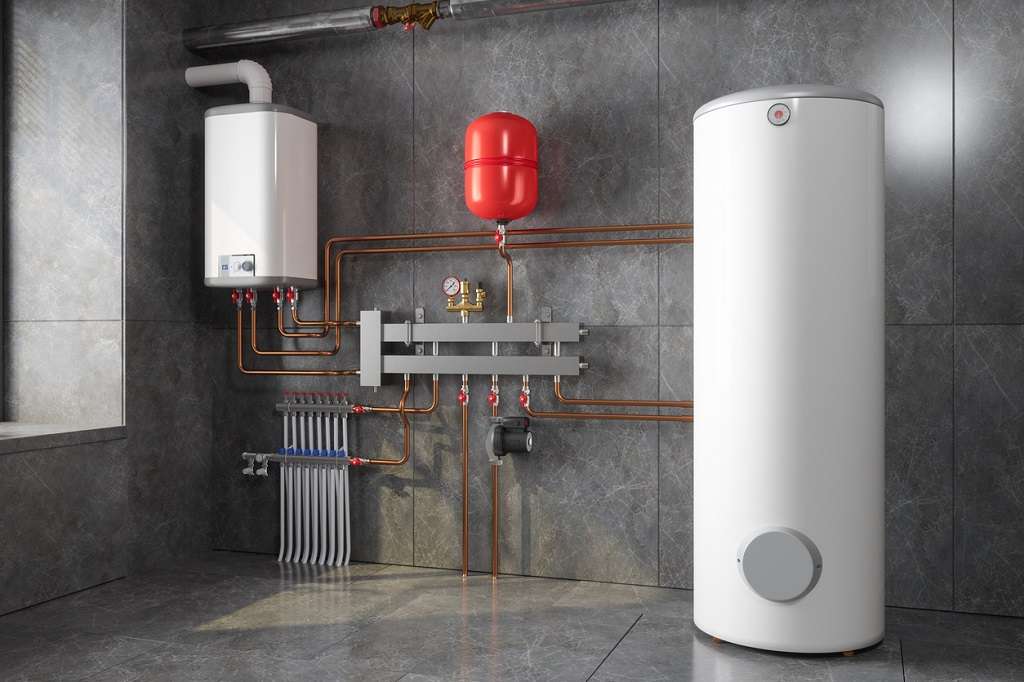
Every estimate starts with the equipment—and gets real with the house. A like-for-like tank replacement in a roomy garage is a different project than a tankless conversion in a tight utility closet. The first is usually straightforward. The second may call for a different vent category, a resized gas line to support full fire, and a safe plan for condensate. None of that is fluff; it’s what separates a reliable system from one that struggles.
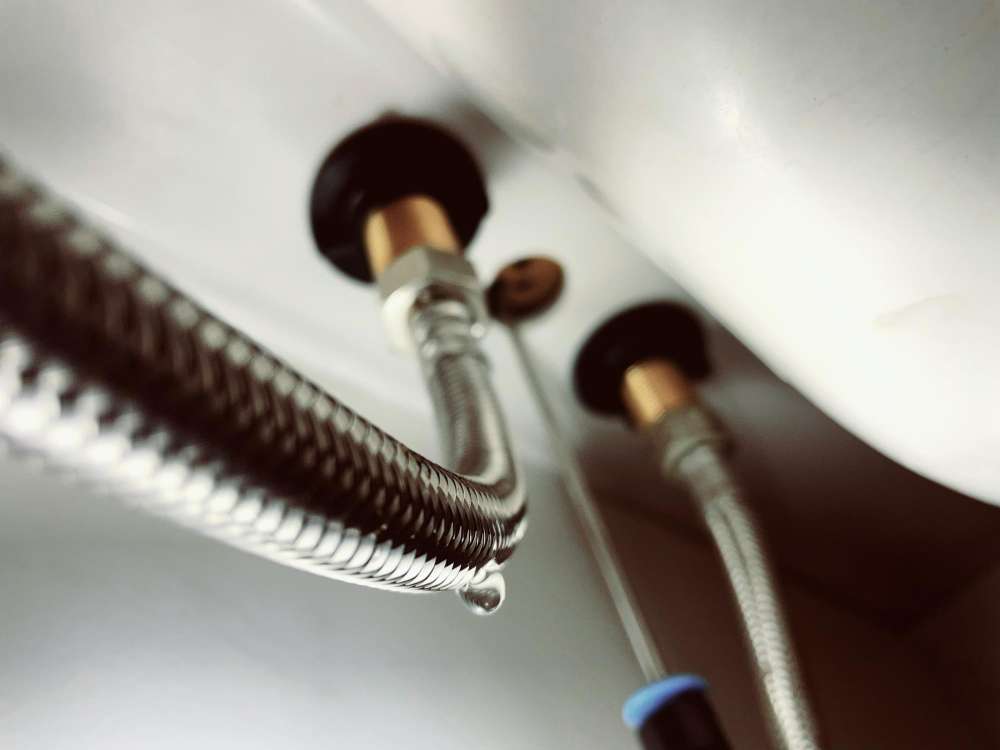
Labor tracks complexity. Swapping a tank in the same spot typically takes less time than rerouting venting through a new path or adding a circuit for a hybrid heat-pump unit. Older homes sometimes need updated shutoffs, sediment traps, or expansion tanks to meet today’s standards. If we see pressure swings, corrosion, or signs of hidden leaks, we’ll often recommend a quick Leak Detection check so the new heater doesn’t inherit old problems.
Permits and inspections are part of most Orange County replacements. Expect earthquake straps; a temperature-and-pressure relief valve with a proper discharge path; expansion tanks where required; and venting that matches the manufacturer’s instructions and local code. Doing it right on day one is always cheaper than sorting out a shortcut later—especially when a buyer, insurer, or city inspector starts asking questions.
Comparing Tankless vs. Traditional Water Heaters
Traditional tank systems store hot water and reheat it as needed. They’re familiar, cost-effective to install, and quick to replace. The tradeoff is standby loss—energy used to keep a tank of water hot even when nobody’s in the shower.
Tankless (on-demand) systems heat water only when a tap opens. They save floor space and can reduce wasted energy, but they ask more of the home on install day. A properly sized gas line, the right vent materials and route, good combustion air, and a place to route condensate are non-negotiables. When those pieces are dialed in, tankless can feel like endless hot water—within the unit’s flow limits.
So which is “better”? The one that fits your household’s rhythm and your home’s mechanics. If you’re a morning-rush family with overlapping showers, correctly sized tankless is a joy. If you want a dependable, budget-friendly swap with minimal retrofit work, a well-sized tank is still a winner.
Labor and Permit Considerations
Most homeowners never see the hours we spend on the “invisible” parts of a safe installation. For gas appliances, that includes combustion air, vent category and termination, drip legs/sediment traps, and bonding/grounding where applicable. For electric and hybrid systems, it means verifying panel capacity, breaker size, wire gauge, and disconnects. For all installs, it’s earthquake strapping, proper T&P discharge, and expansion tanks when required. Permits tie these pieces together with a final inspection that documents the work for your records.
We handle that entire process—pulling the permit, coordinating inspection, and making sure the job passes the first time—so you’re not stuck playing project manager.
Important Facts About Water Heater Installation Costs in Orange County
Understanding what influences price helps you plan with confidence. A few essentials:
- Permits are normal. Most OC jurisdictions require a permit and inspection for replacements. It’s your safety check and your paper trail.
- Energy-efficient equipment may qualify for incentives. Availability changes. We’ll let you know what’s current during your estimate.
- Tankless costs more to install; tanks cost more to keep hot. Over time, the right choice depends on your usage pattern and the home’s readiness for retrofit work.
- Code items aren’t “extras.” Strap placement, expansion tanks, vent specs, and proper shutoffs are what protect the house—and the warranty.
- Brands and parts access matter. We work with proven manufacturers—see our Brand Partners—to keep service smooth for the life of the unit.
- Water quality drives maintenance. Hard water shortens equipment life. We’ll set realistic flush/descale intervals and, when needed, suggest pretreatment.
- Backflow updates sometimes ride along. Certain properties need Backflow Prevention adjustments when systems change. It’s about protection, not paperwork.
The Role of Professional Installers
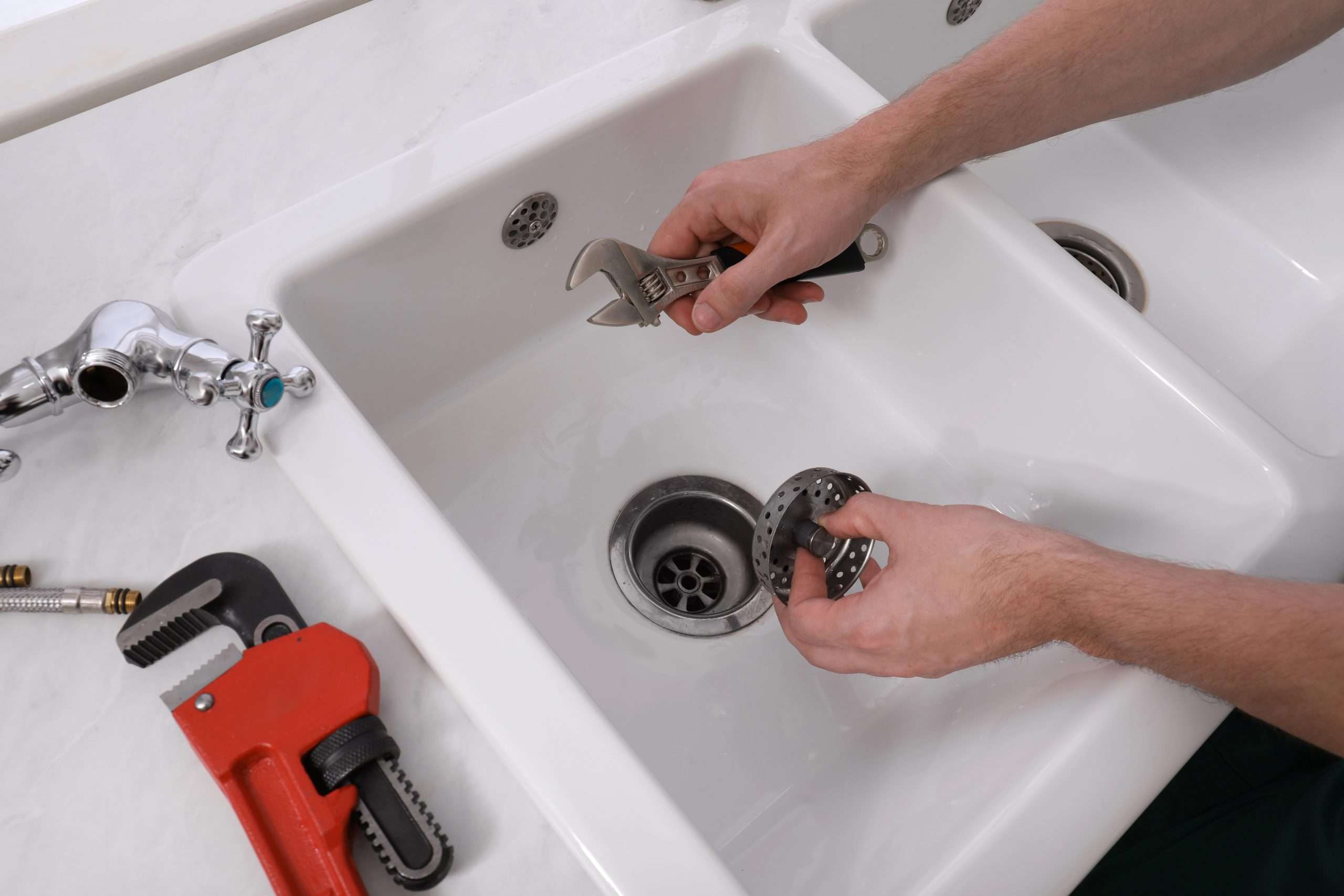
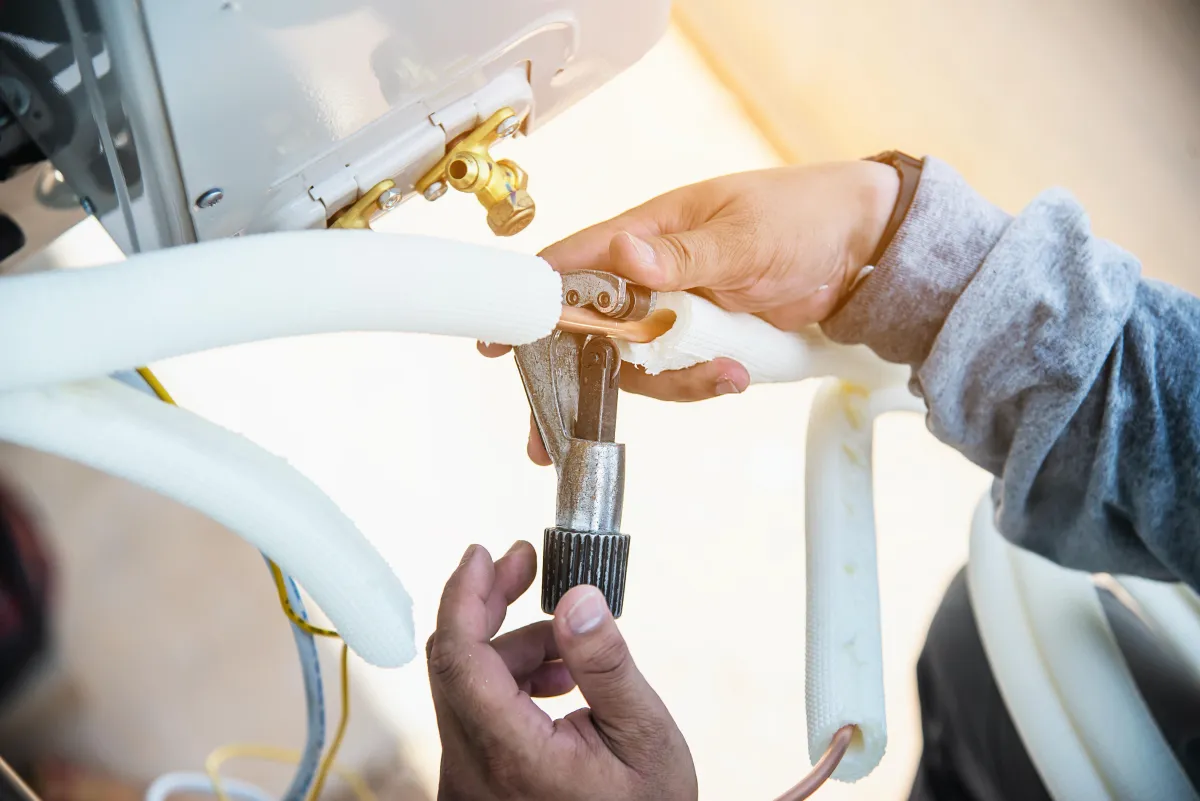
A licensed installer does more than “hook it up.” We evaluate the layout, confirm fuel and venting requirements, and make sure the equipment is sized for your household. With tankless, commissioning (verifying input, flow, modulation, and temperature) is crucial. With tanks, correct T&P discharge, strapping, and expansion tank placement are equally important. The goal is simple: a system that behaves on day one and keeps behaving for years.
It’s also our job to surface problems early. If a shutoff won’t shut off or a vent no longer meets code, you learn that before we start—not after we’ve opened the wall. Straight answers up front beat surprises at the end.
Equipment Types and Their Impact on Cost
Most OC homes stick with gas. Some go electric, and hybrid heat-pump units are increasingly attractive where space and airflow allow. Here’s how the choice plays into cost and scope:
Gas tank: Practical, familiar, and usually fastest to replace. Great when the location, vent, and seismic details cooperate. Upfront cost is typically the lowest.
Gas tankless: Compact and efficient when properly sized. Often needs a larger gas line, approved venting, and condensate management. Upfront cost is higher; commissioning quality is key.
Electric tank: Straightforward equipment but panel capacity can be the deciding factor. Operating cost depends on utility rates and usage.
Hybrid/heat-pump electric: Excellent efficiency. Requires space, airflow, and a condensate plan. Upfront equipment cost is higher; operating cost can be significantly lower.
Curious which brands we trust and why? See our current lineup on Brand Partners.
Choosing the Right Water Heater for Your Home
There’s no one-size-fits-all answer. The “right” water heater balances demand (how your family actually uses hot water), space, energy source, and budget—while meeting code. Smaller households or ADUs often lean toward compact tankless or electric options; larger families may prefer higher-capacity tanks or well-sized tankless for continuous supply. If we see pressure swings, corrosion, or leak history, we’ll often recommend a quick Leak Detection visit before install. That’s how you keep a new system from inheriting old issues.
Summation
Understanding the full scope of water heater installation cost in Orange County means looking beyond the box: equipment type, venting and fuel adjustments, access, permits, and professional expertise all matter. Tanks are affordable and straightforward; tankless is efficient and compact when the home is ready for it. In both cases, code-compliant installation is the difference between “it works” and “it keeps working.”
If you want a system that behaves for the long haul, invest in sizing, venting, fuel capacity, and commissioning—not just the sticker on the carton. That’s how you get predictable hot water, steady bills, and fewer surprises.
Water Heater Installation FAQs in Orange County, CA
Homeowners often ask the same five questions when they’re pricing a new water heater. Here are concise answers to help you plan.
What affects the cost to install a hot water heater?
Are there rebates for energy-efficient water heaters?
How long does installation take?
Can I install a water heater myself?
What maintenance keeps costs down after install?
Start Your Next Water Heater Project with Confidence
A water heater isn’t just an appliance—it’s part of a system. When equipment, venting, fuel capacity, permits, and commissioning line up, the result is simple: hot water that just works. If you’re comparing a tank replacement with a tankless conversion, the fastest path to real numbers is a short visit. We’ll measure, trace the venting, confirm code items, and give you a scope that matches your home as it is—not as a brochure imagines it.
Ready to get specific? Book a water heater estimate. We’ll bring the tape measure, the vent charts, and a plan that fits your budget, your space, and your daily routine.