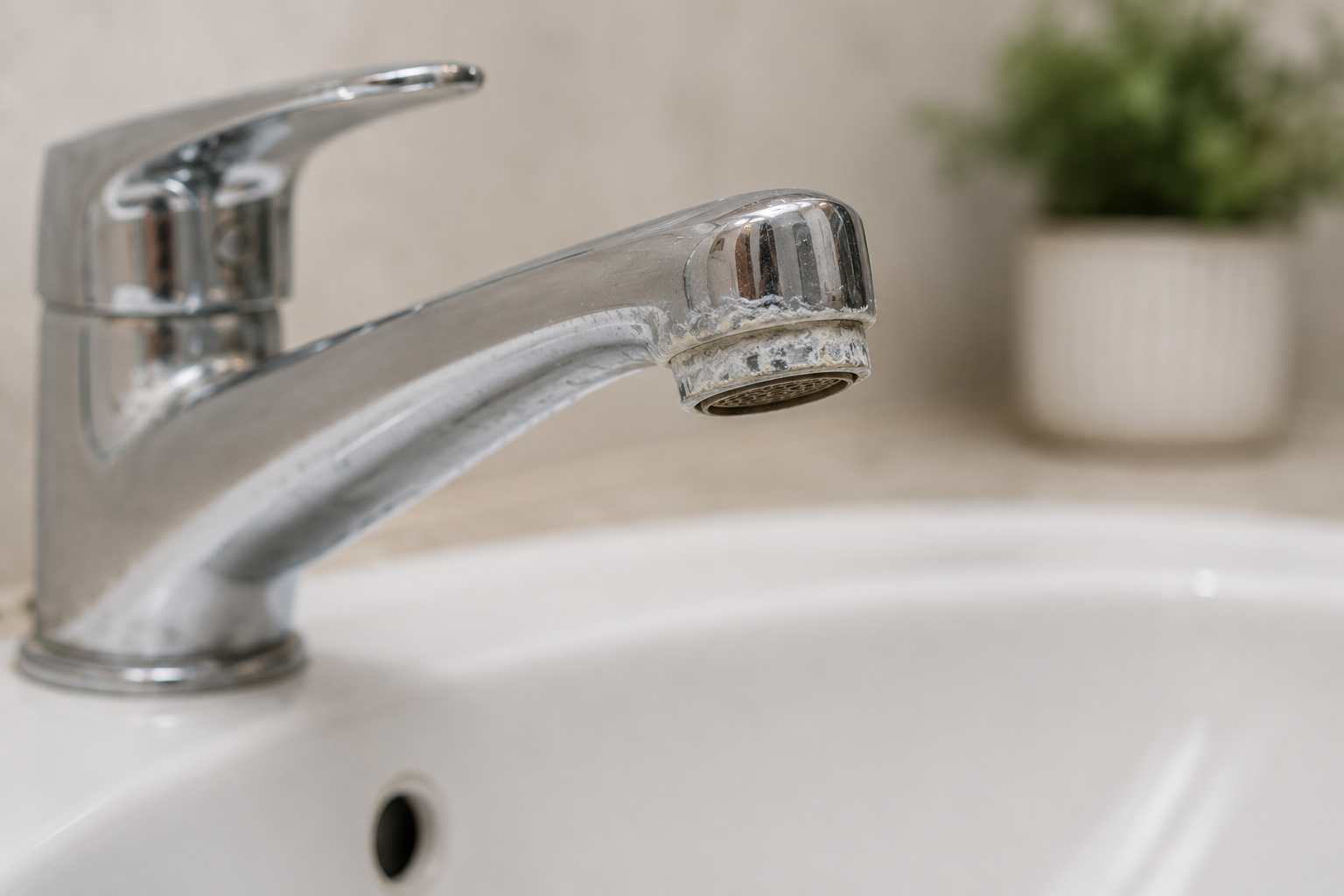
Hard water plumbing problems develop when dissolved minerals, primarily calcium and magnesium, leave scale behind in pipes, fixtures, and water-using equipment. Over time, that buildup can restrict water flow, affect water heater efficiency, clog fixtures, and contribute to premature wear. Recognizing the signs early can help homeowners address mineral buildup before it becomes a larger plumbing issue.
Hard water plumbing problems are easy to overlook because much of the mineral buildup happens gradually. You may first notice white crust around a faucet, spots on your glassware, or a showerhead that doesn’t flow as well as it used to. Behind the scenes, those same hardness minerals can also accumulate inside plumbing components and water heaters.
Hard water contains elevated levels of dissolved minerals, particularly calcium and magnesium. Hardness itself is generally considered a nuisance rather than a health concern, but the scale it creates can become a concern for your home’s plumbing.
Understanding what hard water does, how to recognize mineral buildup, and when to call a plumber can help you protect fixtures, water heaters, and other parts of your plumbing system.
Quick Facts
How Does Hard Water Affect Plumbing?
Hard water can leave scale deposits inside pipes, fixtures, and water-heating equipment, gradually interfering with normal plumbing performance.
Calcium and magnesium remain dissolved while water moves through your plumbing. Under certain conditions, particularly when hard water is heated, those minerals can form solid deposits commonly known as scale.
Scale doesn’t usually create a dramatic plumbing failure overnight. Instead, it tends to build gradually. A thin layer may become thicker over time, reducing the effective opening inside a pipe or coating surfaces within plumbing fixtures and equipment.
As the opening becomes smaller, less water can move through the affected area. Homeowners may eventually notice weaker flow from certain fixtures or plumbing components that require more frequent cleaning or service.
What Are the Signs of Hard Water in Your Home?
Common signs of hard water include white mineral deposits, spots on dishes, soap scum, recurring fixture buildup, and reduced flow from faucets or showerheads.
Because mineral buildup develops gradually, homeowners often become accustomed to these symptoms without realizing they’re connected to water hardness.
Watch for signs such as:
- White or chalky deposits around faucets
- Scale on showerheads and aerators
- Cloudy spots or film on glasses
- Soap scum around sinks and showers
- Reduced flow from individual fixtures
- Frequent mineral buildup on plumbing fixtures
- Changes in water heater performance
A single clogged faucet doesn’t automatically mean your entire plumbing system has a hard water problem. However, recurring mineral deposits throughout the home are worth paying attention to.
Can Hard Water Clog Pipes?
Yes. Long-term scale buildup can reduce the inside diameter of pipes and restrict water flow.
This process typically happens gradually rather than suddenly. As deposits accumulate on interior surfaces, the available pathway for water becomes smaller.
The severity of buildup depends on several factors, including water hardness, water temperature, pipe material, system age, and how much water moves through the plumbing.
If you’re experiencing unexplained changes in water flow or suspect a hidden plumbing issue, professional leak detection and plumbing diagnostics can help determine what’s actually happening rather than assuming hard water is the only cause.
Does Hard Water Cause Pipe Corrosion?
Hard water and pipe corrosion are related more indirectly than many homeowners realize.
Hard water should not automatically be described as corrosive. In fact, moderate mineral deposits can sometimes create a protective layer on certain metal surfaces. Corrosion depends on a much broader combination of factors, including water chemistry, pH, dissolved oxygen, pipe material, temperature, and the age of the plumbing system.
What hard water can clearly do is create scale that restricts flow and affects plumbing equipment. That’s why homeowners should avoid assuming that visible mineral deposits mean their pipes are corroding from the inside.
If there are signs of leaks, discolored water, damaged piping, or unexplained moisture, a professional inspection is the best way to determine whether corrosion, scale, or another plumbing problem is responsible.
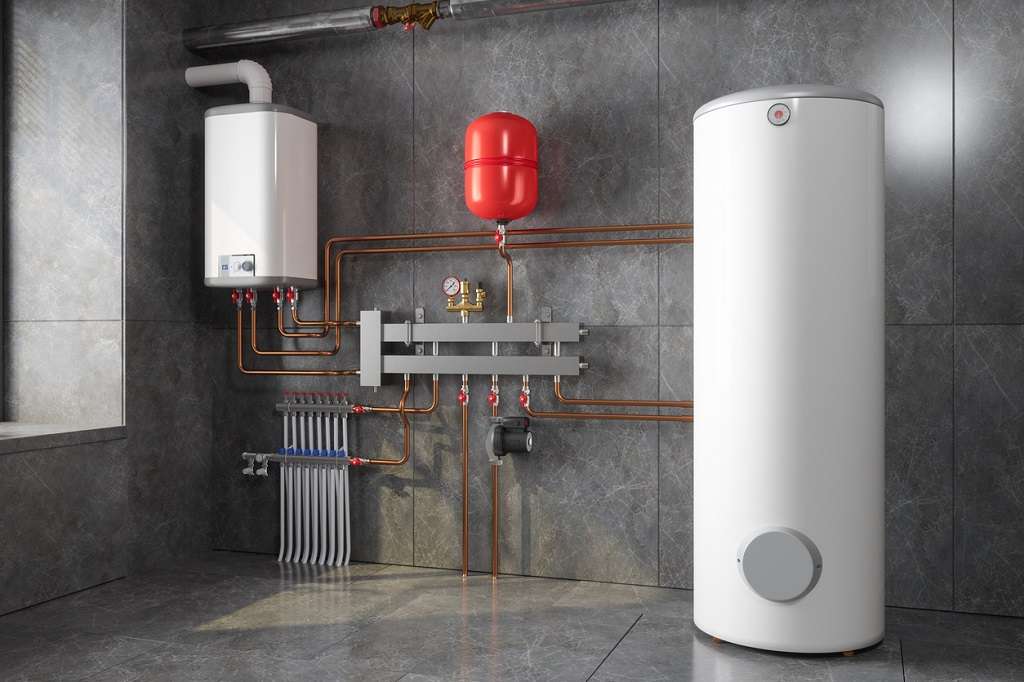
How Does Hard Water Affect Water Heaters?
Hard water can create scale and sediment inside water heaters, potentially reducing efficiency and contributing to premature equipment wear.
Heat makes mineral scale especially relevant to water-heating equipment. As hard water is heated, calcium carbonate deposits can form and collect on heating surfaces or inside the tank.
In a traditional tank water heater, sediment may accumulate at the bottom of the tank. That buildup can interfere with heat transfer and may contribute to popping or rumbling noises during operation.
Scale can also affect certain components in tankless systems, which is one reason manufacturer-recommended maintenance is important.
According to the U.S. Geological Survey, scale created when hard water is heated can lower the efficiency of electric water heaters, increase water-heating costs, clog pipes, and reduce equipment life.
Homeowners experiencing performance problems can explore P&M’s water heater services to determine whether maintenance, repair, or replacement is appropriate.
Can Hard Water Damage Faucets and Showerheads?
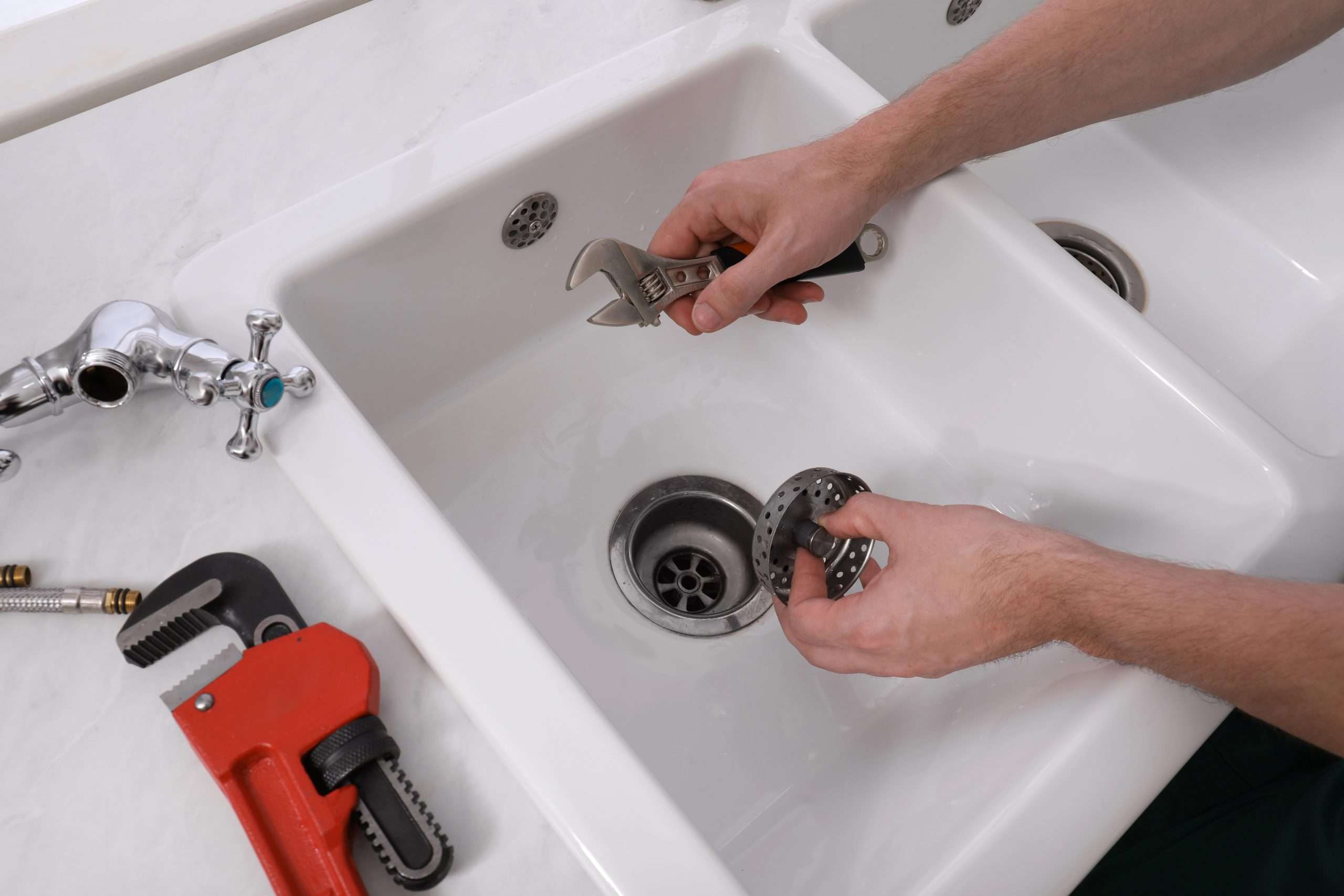
Yes. Scale can collect around aerators, showerhead openings, cartridges, valves, and other plumbing fixture components.
Faucets and showerheads are often where homeowners first notice the effects of hard water. Small openings make even modest mineral buildup visible.
A clogged aerator may create an uneven stream. Showerhead openings may become partially blocked. Mineral deposits can also make fixtures harder to clean and may interfere with moving components over time.
Removing surface scale can restore performance when buildup is minor, but fixtures with recurring problems may need deeper cleaning, new components, or replacement.
Does Hard Water Affect Dishwashers and Other Appliances?
Hard water can leave mineral deposits on water-using appliances and interfere with cleaning performance.
Dishwashers are a common example. Hard-water minerals can contribute to cloudy glasses, spots on dishes, and scale on internal components. Soap and detergent also react differently in hard water, so homeowners may find themselves using more product to achieve the results they expect.
Similar deposits can appear in coffee makers and other appliances that regularly heat or evaporate water.
The important distinction is that appliance-specific filtration and whole-home hardness treatment solve different problems. A filter at one faucet, for example, does not prevent scale from forming throughout the rest of the home’s plumbing.
How Can You Reduce Hard Water Plumbing Problems?
The right solution starts with understanding your water conditions and determining where mineral buildup is affecting the plumbing.
For minor surface deposits, regular cleaning and fixture maintenance may be enough to keep faucets and showerheads performing properly. Water heaters should also receive maintenance appropriate to their type and manufacturer’s recommendations.
When scale-related problems are widespread, homeowners may want to have their water hardness evaluated and discuss appropriate treatment options with a qualified provider. Traditional ion-exchange water softeners reduce calcium and magnesium hardness, which can help limit future scale formation.
However, a water softener won’t reverse years of existing pipe damage or repair a plumbing component that has already failed. Existing leaks, severely restricted piping, and damaged fixtures still require appropriate plumbing repairs.
When Should You Call a Plumber About Hard Water?
Call a plumber when hard-water symptoms are accompanied by reduced flow, recurring fixture problems, water heater issues, leaks, or other changes in plumbing performance.
Visible scale alone may simply require cleaning. The situation changes when plumbing performance starts to suffer.
A professional can inspect the affected components and determine whether mineral buildup is actually responsible. Low water pressure, for example, can have several causes beyond hard water, including valve problems, leaks, supply issues, or deteriorating plumbing.
P&M’s plumbing services can help homeowners identify the source of performance problems and determine the appropriate next step.
Hard Water and Plumbing in Orange County
Water hardness can vary based on the source and the local water supplier, so homeowners shouldn’t assume every property in Orange County has identical water conditions. What matters most is recognizing what is happening inside your own home.
Based in Garden Grove, P&M serves central Orange County communities including Anaheim, Westminster, Santa Ana, Huntington Beach, Irvine, and surrounding areas. Our plumbers can evaluate fixture buildup, water heater concerns, reduced flow, leaks, and other plumbing symptoms to help determine whether mineral scale or another issue is affecting your system.
For homeowners who aren’t sure whether they’re dealing with hard water damage or an unrelated plumbing problem, professional diagnosis can prevent unnecessary repairs and help focus attention on the actual cause.
Frequently Asked Questions About Hard Water Plumbing Problems
What is hard water?
Is hard water dangerous to drink?
Can hard water lower water pressure?
What does hard water buildup look like?
Can hard water damage a water heater?
Will a water softener fix damaged pipes?
Protect Your Plumbing from Long-Term Mineral Buildup
Hard water doesn’t usually create plumbing problems overnight. The effects tend to develop gradually as calcium and magnesium leave scale on fixtures, inside pipes, and within water-heating equipment. Paying attention to recurring mineral buildup, changing water flow, and water heater performance can help you catch problems before they become more disruptive.
The key is identifying the actual cause instead of assuming every plumbing issue is the result of hard water. If you’re noticing persistent scale, reduced flow, leaks, or water heater problems, contact P&M for a professional plumbing evaluation and practical recommendations for your home.
Further Reading & References
- P&M Leak Detection Services
- P&M Water Heater Services
- P&M Plumbing Services
- Contact P&M
- U.S. Geological Survey – Hardness of Water