Hidden water leaks often develop slowly behind walls, under floors, or inside ceilings, where they can remain unnoticed for months. Understanding the most common hidden water leak causes helps homeowners act early and avoid costly repairs. Regular plumbing inspections, proper water pressure regulation, and modern leak detection tools can stop a minor drip from turning into structural damage or mold problems.
Hidden water leak causes are one of the most common plumbing problems homeowners face, yet they often go undetected until serious damage occurs. A slow drip inside a wall cavity or beneath flooring may waste hundreds of gallons of water before visible signs appear. Over time, that moisture can weaken drywall, warp flooring, and increase the risk of mold growth.
Many hidden leaks begin with small issues like worn fittings, high water pressure, aging pipes, or failing appliance connections. Because these problems usually occur in concealed spaces, homeowners may only notice subtle clues such as musty odors, unexplained water bill increases, or faint stains on ceilings.
According to the EPA WaterSense program, household leaks waste nearly one trillion gallons of water each year in the United States. That statistic highlights why early detection and regular plumbing maintenance are essential.
Understanding where leaks start—and how to detect water leak early—helps homeowners protect both their plumbing systems and their property value.
What Are the Most Common Hidden Water Leak Causes?
The most common hidden water leak causes include aging pipes, excessive water pressure, appliance supply line failures, clogged drains, and underground plumbing problems. These issues often begin gradually and may not produce visible signs until damage spreads.
Hidden plumbing leaks frequently develop where pipes run through walls, ceilings, or foundations. Over time, even minor leaks can saturate insulation and framing materials, creating conditions that promote mold growth and structural deterioration.
Understanding these causes helps homeowners recognize early warning signs and take preventive action before expensive repairs are required.
- Unexplained increases in your water bill
- Musty odors near walls or flooring
- Small ceiling or drywall stains
- Low water pressure in fixtures
- Sounds of dripping when fixtures are turned off
Recognizing these warning signs early can help you detect water leak early and avoid major plumbing repairs.
Aging Pipes and Corrosion
Aging plumbing systems are one of the leading hidden water leak causes in residential homes. Over time, pipe materials naturally deteriorate due to corrosion, water chemistry, and constant pressure changes.
Metal pipes such as galvanized steel or copper may develop internal corrosion that gradually weakens the pipe wall. Eventually, small pinhole leaks form and release water slowly into surrounding materials.
Plastic piping systems can also fail as joints loosen or seals degrade. Because these leaks often occur inside walls or ceilings, homeowners may only notice secondary symptoms such as damp drywall or paint discoloration.
Routine plumbing inspections help identify aging materials before failure occurs and are a key component of effective plumbing leak prevention.
Inspect visible plumbing lines under sinks and near appliances twice per year. Look for corrosion, moisture, or mineral buildup that could indicate early leaks.
Pressure Problems: High PSI and Water Hammer
Excessive water pressure is another major contributor to hidden plumbing leaks. Residential plumbing systems operate best between 40 and 60 PSI, while pressure above 80 PSI can place damaging stress on pipes and fittings.
When pressure runs too high, pipe joints and appliance valves experience constant strain. Over time, this stress can loosen fittings or create hairline cracks in piping.
Another related issue is water hammer. This occurs when fast-closing valves suddenly stop moving water, creating shockwaves that travel through the plumbing system. These pressure spikes can weaken pipe connections behind walls or ceilings.
If your home’s water pressure exceeds 80 PSI, it can increase the risk of pipe leaks, appliance damage, and premature plumbing failure. A pressure-reducing valve can help protect your plumbing system.
Appliances and Supply Line Failures
Many hidden water leaks originate from appliance connections rather than the pipes themselves. Washing machines, dishwashers, refrigerators, and water heaters all rely on supply lines that can deteriorate over time.
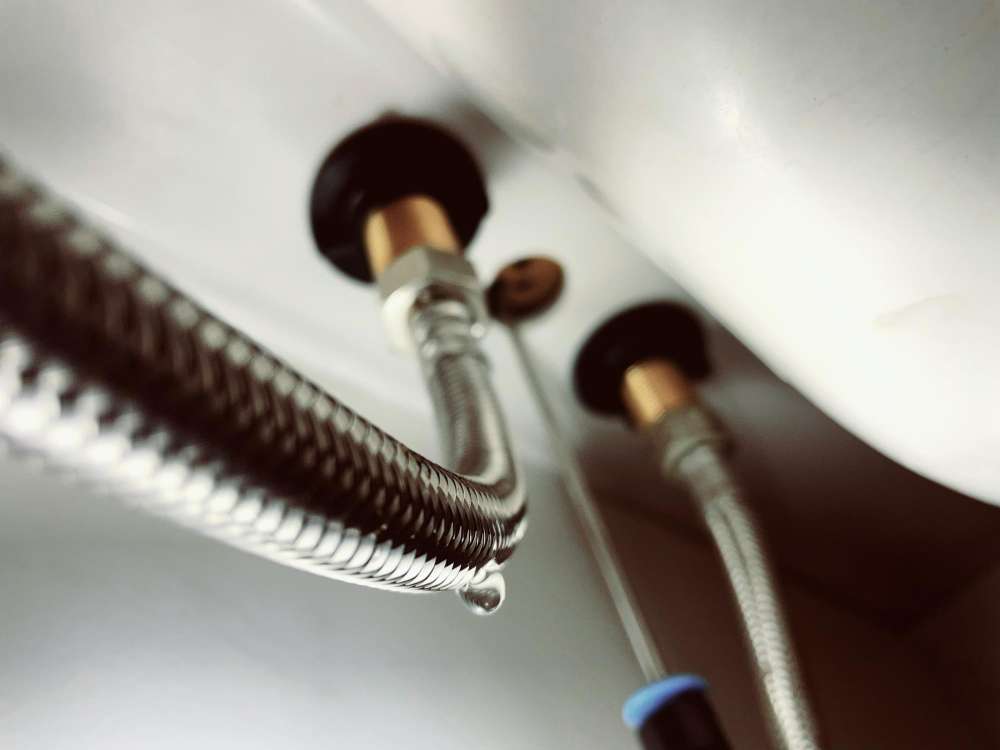
Rubber hoses are especially prone to cracking and splitting as they age. When a hose fails, it can release water rapidly or create slow leaks that damage flooring and cabinets.
Upgrading to reinforced braided stainless-steel supply lines is one of the easiest ways to improve plumbing reliability and reduce the risk of hidden leaks.
Regular inspections around appliances are also important for identifying moisture or corrosion before a failure occurs.
Slab Leaks and Underground Plumbing Problems
Slab leaks occur when pipes beneath a concrete foundation develop cracks or pinholes. Because these pipes are buried under the home, leaks can continue unnoticed for extended periods.
Common signs of slab leaks include warm spots on floors, unexplained moisture near baseboards, or sudden spikes in water bills. Homeowners may also hear faint sounds of running water even when all fixtures are turned off.
Professional leak detection specialists use tools such as acoustic sensors, moisture meters, and thermal imaging cameras to locate underground leaks without unnecessary demolition.
Drain Blockages and Backflow Pressure
Clogged drains rarely create pipe leaks directly, but they can cause water to overflow or back up around fixtures. When pressure builds behind a blockage, water may escape through seams near tubs, sinks, or floor drains.
Over time, repeated backups can saturate surrounding materials and create conditions that resemble hidden plumbing leaks. Regular drain maintenance helps prevent these situations and protects the integrity of the plumbing system.
Keeping drains clear is an important part of long-term plumbing maintenance.
Outdoor Plumbing and Irrigation Leaks
Not all hidden leaks occur indoors. Outdoor irrigation lines, hose bibbs, and main water supply lines can also develop slow leaks that remain unnoticed for months.
Damp soil near the foundation, unusually green patches of grass, or continuously wet landscaping may signal underground leaks. These leaks can increase water bills and weaken soil around the home’s structure.
Routine outdoor inspections and seasonal irrigation system checks help detect these problems early.
Local Plumbing Conditions in California Homes
Homes throughout California often face plumbing challenges related to hard water minerals, slab foundations, and fluctuating water pressure. These conditions can accelerate pipe wear and increase the risk of hidden leaks.
Many homes in the region use copper piping installed decades ago. Over time, mineral buildup and corrosion can weaken pipe walls and create pinhole leaks behind walls or beneath foundations.
Because slab foundations are common in California construction, underground leaks can remain hidden longer than in homes with crawlspaces or basements. Professional leak detection services are often necessary to locate these issues accurately.
Hidden Water Leak FAQs
How can I detect a hidden water leak in my home?
What water pressure is considered safe for a home?
Can hidden leaks cause mold?
Are smart leak sensors worth installing?
Prevent Small Leaks Before They Become Major Repairs
Hidden plumbing leaks rarely start as major problems. Most begin as small drips caused by aging materials, pressure fluctuations, or worn appliance connections. Over time, however, even minor leaks can damage drywall, flooring, and structural components.
Routine plumbing inspections, pressure monitoring, and early leak detection technology can help homeowners prevent expensive water damage.
By staying proactive and understanding common hidden water leak causes, homeowners can protect their plumbing systems, reduce water waste, and maintain a safe, efficient home environment.
Further Reading & References
- Professional Leak Detection Services
- Drain Cleaning Services
- Water Heater Services
- Full-Service Plumbing Solutions
- EPA Water Leak Statistics