When deciding between water heater repair vs replacement, the most important factors are the unit’s age, repair history, energy efficiency, and overall condition. Minor issues can often be repaired, but frequent breakdowns, tank corrosion, or major leaks typically indicate it’s time for a replacement.
Your water heater is one of the hardest-working appliances in your home. From morning showers to washing dishes and laundry, dependable hot water plays a major role in your daily comfort. When problems begin to appear, many homeowners find themselves facing a difficult question: should you repair your current unit or invest in a replacement?
Understanding the factors that influence a water heater repair vs replacement decision can help you avoid unnecessary expenses while maintaining reliable hot water for your household. The right choice depends on the age of the system, the severity of the issue, energy efficiency concerns, and your long-term plans for the home.
In many cases, a simple repair can restore performance and extend the life of the unit. In other situations, replacing an aging water heater may save money and prevent unexpected breakdowns in the future.
Quick Facts
How Long Does a Water Heater Last?
Most traditional storage tank water heaters last between 8 and 12 years, although some may operate longer with proper maintenance. Tankless systems often remain functional for 15 to 20 years or more.
Several factors influence water heater lifespan, including water quality, installation quality, maintenance habits, and overall usage. Homes with hard water often experience faster sediment buildup inside the tank, which can reduce efficiency and shorten equipment life.
If your water heater is approaching the end of its expected lifespan, replacement may be a smarter investment than repeatedly paying for repairs.
What Are the Signs You Need Water Heater Repair?
Many water heater issues can be repaired successfully when caught early. Components such as thermostats, heating elements, pressure relief valves, pilot assemblies, and electrical connections often fail before the tank itself.
Common signs that indicate repair may be appropriate include:
- Inconsistent water temperatures
- Water taking longer to heat
- Minor leaks from fittings or valves
- Pilot light issues
- Strange noises caused by sediment buildup
- Temporary reductions in hot water supply
If the unit is relatively young and the repair cost is reasonable, restoring the system may provide several additional years of reliable service. Homeowners experiencing these issues should consider scheduling professional plumbing services to accurately diagnose the problem.
When Is Water Heater Replacement the Better Option?
Water heater replacement is often the better choice when the tank itself begins to fail or repair costs continue to accumulate.
Unlike replaceable components, the tank is the core of the system. Once significant corrosion develops inside the tank, repairs typically become impractical or impossible.
Warning signs that often indicate replacement is necessary include:
- Visible rust or corrosion on the tank
- Rust-colored hot water
- Water pooling around the unit
- Large or recurring leaks
- Frequent repair calls
- Significant decreases in efficiency
- Units older than 10–12 years
Homeowners researching water heater installation pricing in California are often surprised to discover that a replacement can be more cost-effective than repeatedly repairing an aging unit.
Should You Follow the 50% Rule?
Yes. Many plumbing professionals recommend using the 50% Rule when evaluating repair costs.
The guideline is simple: if the repair cost approaches 50% of the replacement cost, replacement is often the better long-term financial decision.
For example, spending hundreds of dollars to repair a 12-year-old water heater may not make sense when that same money could be applied toward a new, more efficient system.
While every situation is unique, this rule provides homeowners with a practical starting point for making informed decisions.
Can a Leaking Water Heater Be Repaired?
Sometimes. The answer depends on where the leak originates.
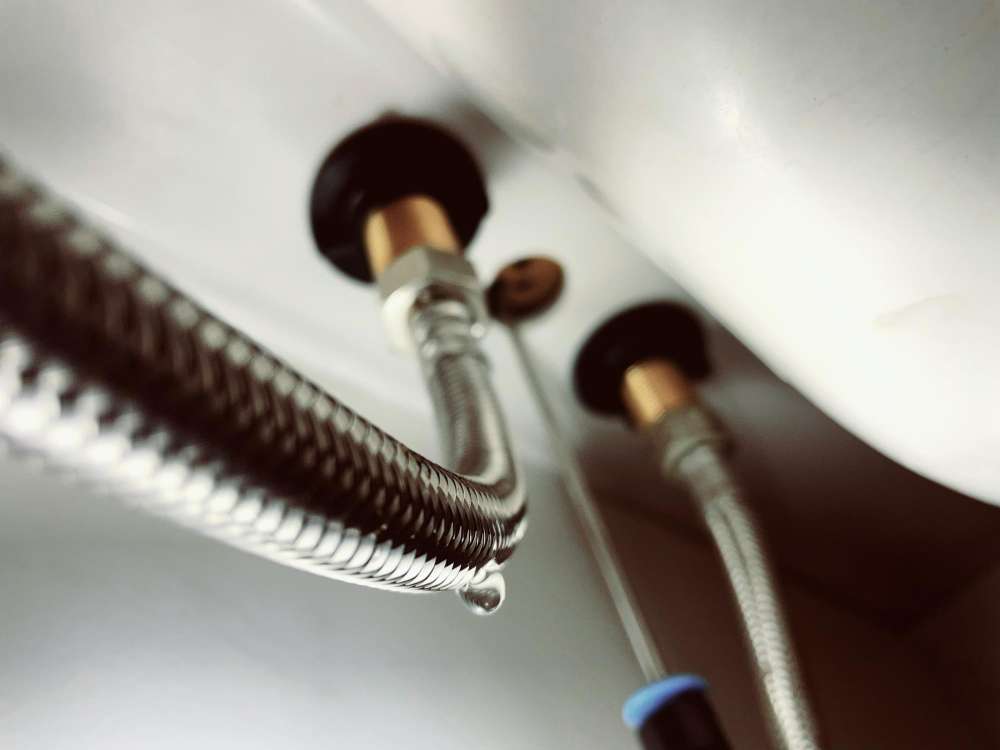
Leaks from fittings, valves, drain connections, or supply lines can often be repaired relatively easily. However, leaks coming directly from the tank usually indicate internal corrosion and tank failure.
Once the tank itself begins leaking, replacement is generally the only permanent solution.
A professional inspection can identify the source of the leak and determine whether repair remains viable.
How New Water Heaters Improve Energy Efficiency
Modern water heaters are significantly more efficient than many older models. Improved insulation, advanced controls, better heating elements, and updated technologies can help reduce energy consumption while maintaining reliable hot water.
According to the U.S. Department of Energy, water heating accounts for a substantial portion of household energy usage. Upgrading to a newer model may lower utility costs while improving overall performance.
Homeowners with older systems often notice faster recovery times, more consistent temperatures, and reduced operating costs after replacement.
How Can You Extend Your Water Heater’s Lifespan?
Regular maintenance is one of the most effective ways to maximize the life of your water heater.
Simple preventative measures include:
- Flushing sediment annually
- Inspecting for leaks regularly
- Testing the pressure relief valve
- Monitoring water temperature settings
- Scheduling periodic professional inspections
- Addressing minor problems before they worsen
Homeowners who prioritize routine maintenance often avoid costly emergency repairs and premature replacement.
When Should You Call a Professional?
You should contact a professional whenever you experience recurring performance issues, visible leaks, corrosion, or concerns about your water heater’s safety.
Many symptoms can appear similar while having very different underlying causes. Professional diagnosis helps ensure you spend money wisely and avoid unnecessary repairs.
Whether you need maintenance, repair, or complete replacement, working with experienced technicians can help you identify the most cost-effective solution for your home. Homeowners can learn more about available water heater solutions and replacement options by consulting with a qualified plumbing professional.
Local Water Heater Expertise for Orange County Homeowners
P&M helps homeowners throughout Huntington Beach, Fountain Valley, Costa Mesa, Westminster, Garden Grove, and surrounding Orange County communities address water heater concerns quickly and professionally. Local water conditions, mineral content, and household usage patterns can significantly affect water heater performance and longevity. Working with a local plumbing expert ensures recommendations are tailored to your home’s specific needs and the unique challenges faced by Southern California homeowners.
Frequently Asked Questions About Water Heater Repair vs Replacement
How long should a water heater last?
Is it better to repair or replace an old water heater?
Can a leaking water heater be repaired?
What causes water heaters to fail?
How often should a water heater be serviced?
Making the Best Decision for Your Home
Choosing between water heater repair and replacement ultimately comes down to the age of the unit, repair costs, efficiency, and long-term reliability. While many problems can be repaired successfully, recurring issues, corrosion, and major leaks often signal that replacement is the smarter investment. A professional evaluation can help you determine the most practical and cost-effective solution while ensuring dependable hot water for years to come. If you’re unsure which option is right for your situation, consider contacting P&M’s plumbing team for a professional assessment.
Further Reading & References
- Plumbing Services
- Water Heater Installation Pricing California
- Water Heaters
- Contact P&M
- U.S. Department of Energy – Water Heating