Regular maintenance of water heaters, including annual flushing, is essential to ensure optimal performance and extend the system’s lifespan. Both tank and tankless systems can suffer from sediment buildup, which reduces efficiency and increases energy costs. Professional maintenance not only restores efficiency but can also identify small issues before they lead to costly repairs.
Why Water Heater Maintenance Matters More Than You Think
Most homeowners don’t think about their water heater until something goes wrong. By that point, the system may already be running less efficiently, costing more to operate, and delivering inconsistent hot water. Regular attention helps prevent these issues before they start. Water heater maintenance is one of the most cost-effective ways to extend system life and make sure you’re getting the comfort and performance you pay for.
Both traditional tank and modern tankless systems benefit from routine care. Over time, minerals and sediment can settle inside the tank or along heat exchangers, forcing the unit to work harder to heat water. This extra strain can shorten its lifespan and increase energy use. A professional plumber can inspect, clean, and flush the system to restore efficiency and catch small issues before they turn into expensive repairs.
Homeowners who want to understand how their system works can learn more about different types of water heaters and what regular service involves. Simple steps like annual inspections, flushing, and checking safety components can make a big difference in performance. In this guide, you’ll learn how often to flush your unit, what signs indicate it’s time for service, and why calling in a professional ensures your system stays reliable year after year.
The Basics: Why Flushing Your Water Heater Matters
Every water heater collects minerals and sediment over time. These tiny particles come from naturally occurring minerals in your water supply. As they settle at the bottom of a tank or along internal surfaces, they create a barrier between the heating element and the water itself. This buildup makes your heater work harder to deliver the same amount of hot water, which can raise energy bills and reduce overall efficiency.
When you flush a water heater, you remove much of that sediment before it becomes a problem. Regularly scheduling a service to flush water heater tanks helps maintain consistent heating performance and reduces wear on components. Gas-fired units often develop a layer of sediment that traps heat at the bottom of the tank, while electric models may see buildup around heating elements. In both cases, flushing helps restore proper heat transfer and prevents overheating or premature failure.
Tank-style heaters tend to accumulate sediment faster than tankless models because they store water continuously. However, even tankless systems can develop scale buildup that affects sensors and flow rates. Hard water areas are especially prone to these issues, which is why many homeowners notice similar effects in other parts of their plumbing. Mineral buildup can slow drains or cause clogs that benefit from professional drain cleaning services. Keeping your plumbing clear supports better performance across your entire home, not just your water heater.
Flushing your water heater once a year is a simple way to protect your investment and keep hot water flowing efficiently. It’s also an opportunity for a plumber to check valves, inspect connections, and make sure everything is working as it should. While some homeowners try to flush their system themselves, professional service ensures that the process is done safely and thoroughly.
How Often Should You Service a Water Heater?
Every home uses hot water differently, so there’s no single rule for how often to service a water heater. A good starting point is an annual inspection and flush, but factors like water hardness, household size, and installation location all play a role. Homes with hard water or heavy usage may need more frequent maintenance to keep performance steady and avoid buildup inside the system.
During maintenance, a plumber will flush the tank or descale a tankless unit, check for leaks, inspect safety valves, and test temperature settings. These steps help extend the life of your system while keeping it efficient. Tank models typically need more frequent flushing because sediment collects at the bottom of the tank. Tankless systems require descaling to prevent mineral deposits from affecting sensors and heating components.
Neglecting maintenance can shorten your heater’s lifespan and lead to higher energy costs over time. Professional care ensures your system continues running smoothly even as it ages. Many homeowners have questions about timing, costs, or warning signs that indicate service is due—topics often covered in helpful home plumbing FAQs. These insights can help you make informed decisions about when to schedule maintenance.
Consulting a professional plumber helps set a schedule that fits your home’s needs. Every water heater operates under different conditions, so there’s no one-size-fits-all solution. With regular attention and expert guidance, you can keep your system efficient, reliable, and ready to deliver hot water whenever you need it.
Interesting Facts About Water Heater Maintenance
- Regular water heater maintenance can improve system performance and help avoid unexpected breakdowns.
- Flushing a tank-style water heater once a year can drastically reduce sediment buildup from minerals in hard water.
- Homes with high mineral content may need more frequent flushing since deposits can collect faster inside the tank.
- Professional inspections can reveal early leak signs, and experts trained in leak detection prevent costly water damage.
- Even tankless models require periodic descaling. Working with professionals ensures the job gets done correctly (PNM Plumbing’s service page).
- Water quality plays a major role in maintenance frequency. Testing and managing water entry systems (backflow prevention services) helps maintain consistent performance.
- There’s no one-size-fits-all schedule; usage, water conditions, and system type determine the plan (FAQs).
- When urgent issues arise—like strange noises, leaks, or sudden loss of hot water—24-hour support (PNM Plumbing emergency service) ensures homeowners get prompt help.
Maintenance for Tank Water Heaters: What to Expect
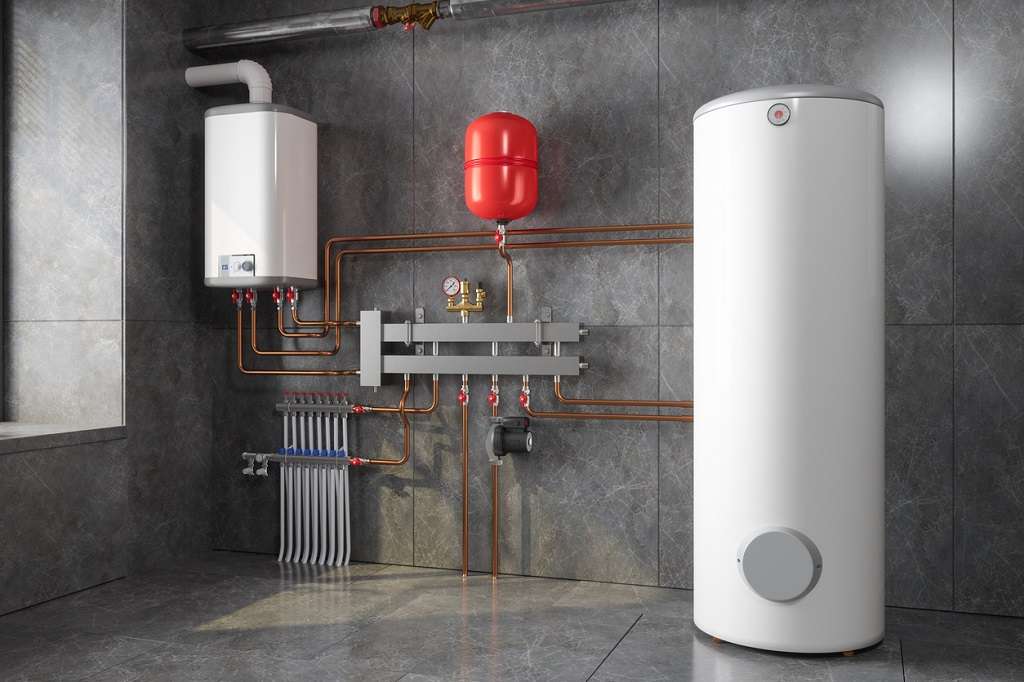
Regular maintenance keeps tank-style systems running efficiently. A technician will drain and flush the tank to remove sediment, restore heating efficiency, and prevent minerals from insulating the heating element. Inspecting the anode rod, which attracts corrosive minerals, helps prevent rust. Checking the temperature and pressure (T&P) valve ensures safety and prevents leaks. Early detection of corrosion or moisture protects against major water damage.
Tankless Water Heaters: Are They Low-Maintenance?
Tankless systems also require care. Minerals can form scale on internal components, affecting sensors and heating elements. Technicians typically perform descaling once or twice a year and flush the system to remove deposits. Proper professional service keeps the unit running efficiently and extends its lifespan. Trusted experts like those on PNM Plumbing’s service page ensure reliable results.
The Role of Water Quality in Maintenance Frequency
Water quality impacts how often maintenance is needed. Hard water leaves mineral deposits that reduce efficiency. Homes with high hardness may need more frequent flushing or descaling, while homes with filtration systems may extend service intervals. Maintaining backflow prevention devices protects the entire home plumbing system and ensures your heater works at peak performance.
Signs Your Water Heater May Need Immediate Service
Warning signs include rumbling or popping noises, inconsistent water temperatures, cloudy or discolored water, and rising energy bills. Acting promptly prevents leaks, water damage, or complete system failure. Trusted 24/7 emergency plumbing support (PNM Plumbing) can provide fast, professional assistance.
Common Water Heater Maintenance Questions, Answered
Many homeowners want to understand how to take better care of their water heaters. Whether you own a tank or a tankless model, routine care helps you enjoy steady hot water and fewer repair costs. If you ever have concerns, contact PNM Plumbing.
Further Reading
For more in-depth information on water heater maintenance and energy-saving tips, check out these resources:
- Energy.gov – Water Heating Tips
- Family Handyman – How to Flush a Water Heater
- PNM Plumbing – Water Heater Services
Your Next Step Toward Better Performance and Peace of Mind
Waiting until problems appear often leads to higher costs and unnecessary stress. A proactive approach to water heater maintenance keeps your system efficient and helps avoid sudden breakdowns. PNM Plumbing offers expert care for both tank and tankless systems, helping homeowners decide on the right maintenance schedule based on water quality and household usage. Schedule a professional water heater flush today to protect your investment and enjoy reliable hot water year-round.