Regular water heater maintenance can help keep your system operating reliably, catch developing problems, and reduce sediment and other conditions that can affect performance. Your exact maintenance schedule depends on your water heater’s type, age, manufacturer, and condition. Still, an annual professional check is a practical way to inspect the system and determine what maintenance it needs.
Your water heater probably isn’t something you think about every day. You turn on the shower, wash the dishes, or run a load of laundry, and hot water is simply expected to be there.
That makes it easy to forget that the equipment producing all that hot water needs attention, too.
Over time, sediment can collect inside tank-style water heaters, components can wear, connections can develop leaks, and the sacrificial anode rod that helps protect the tank can deteriorate. Catching these issues during routine maintenance is much better than discovering them when you’re suddenly out of hot water.
This water heater maintenance checklist covers the major items worth reviewing each year, including sediment removal, anode rod inspection, leak checks, temperature settings, safety components, and the warning signs that your water heater may need professional attention.
Quick Facts: Water Heater Maintenance
What Water Heater Maintenance Should You Do Each Year?
A good annual water heater maintenance routine includes checking for leaks and corrosion, evaluating the temperature setting, inspecting safety components, determining whether sediment removal is needed, and assessing the condition of components such as the anode rod.
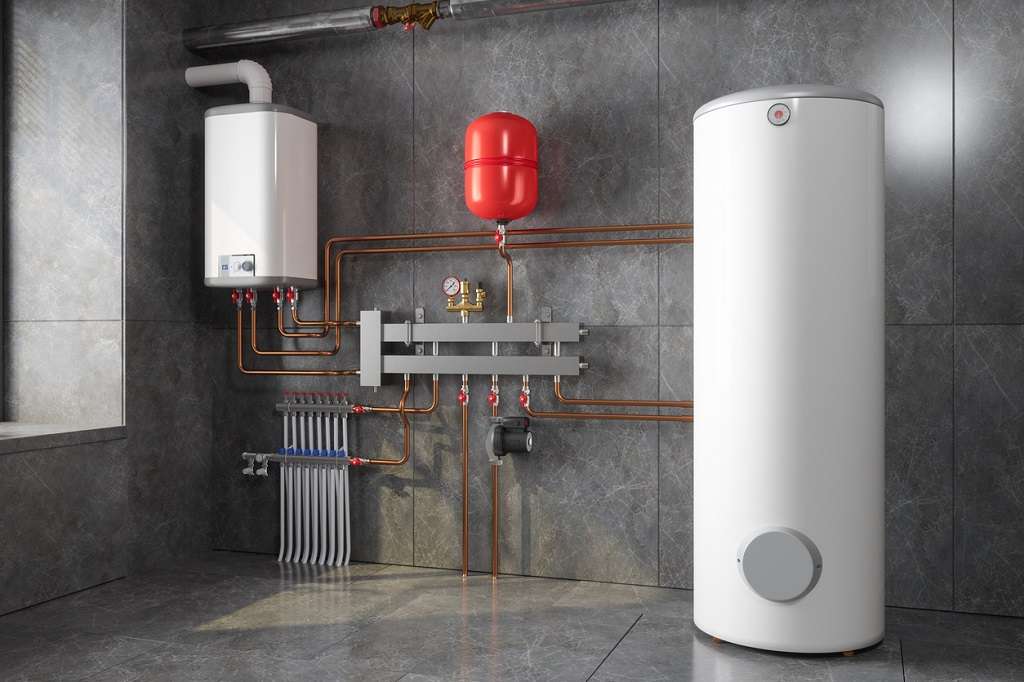
The exact checklist changes depending on the equipment. A conventional storage-tank water heater does not have the same maintenance requirements as a tankless or heat pump model.
That’s why the owner’s manual should always be your starting point.
- Check the tank and surrounding area for water or moisture
- Inspect visible plumbing connections for leaks or corrosion
- Check the condition of accessible valves and fittings
- Review the temperature setting
- Evaluate the temperature and pressure relief valve according to manufacturer instructions
- Determine whether the tank needs sediment removal or flushing
- Inspect the anode rod when appropriate for the system and maintenance schedule
- Listen for unusual popping, rumbling, or other new sounds
- Check for changes in hot water temperature or capacity
- Inspect venting and combustion-related components on applicable gas models
- Check model-specific maintenance items, such as filters and condensate drains on heat pump water heaters
Why Is Sediment Removal Important?
Sediment removal helps clear accumulated minerals and debris from the bottom of a tank-style water heater.
As water enters and heats inside a storage tank, dissolved minerals and other material can settle toward the bottom. The amount and speed of accumulation depend on factors such as water chemistry, temperature, household usage, and the water heater itself.
As buildup increases, homeowners may notice performance changes or noises from the tank. For example, popping or rumbling sounds can occur when water and steam move through sediment at the bottom of the tank.
Flushing can help remove accumulated material, but the correct procedure and frequency depend on the manufacturer and condition of the unit.
What Is an Anode Rod Inspection?
An anode rod inspection checks the condition of the sacrificial metal rod inside many tank-style water heaters.
The anode rod is designed to deteriorate as part of protecting the steel tank from corrosion. That deterioration is expected—but eventually, enough of the rod can be consumed that replacement becomes appropriate.
There isn’t one inspection or replacement interval that applies to every water heater. Water chemistry, water-softening equipment, usage, tank design, and the type of anode can all affect how quickly the rod deteriorates.
For that reason, an anode rod inspection should be based on the manufacturer’s guidance and the condition of the individual system rather than an arbitrary replacement date.
Should You Test the Temperature and Pressure Relief Valve?
The temperature and pressure relief valve, commonly called the T& P valve, is an important safety component on storage water heaters and should be maintained according to the manufacturer’s instructions.
The valve is designed to relieve excessive temperature or pressure inside the tank.
Manufacturer maintenance instructions commonly include periodic operation or inspection of this valve. However, remember that discharged water may be extremely hot, and a valve that doesn’t reseat properly after testing may keep leaking.
If you’re unfamiliar with the procedure, notice corrosion around the valve, see ongoing discharge, or aren’t confident the valve is functioning correctly, have a qualified plumber inspect it.
What Temperature Should Your Water Heater Be Set To?
For many households, 120°F is a common starting point for balancing hot-water needs, energy use, and scalding risk, but the appropriate setting depends on the household and equipment.
< p> An unnecessarily high setting can increase energy use and the risk of scalding. If your water suddenly seems much hotter or colder than usual without anyone changing the controls, that change may indicate a problem worth investigating.
Be especially cautious in homes with young children, older adults, or anyone who may be more vulnerable to burns.
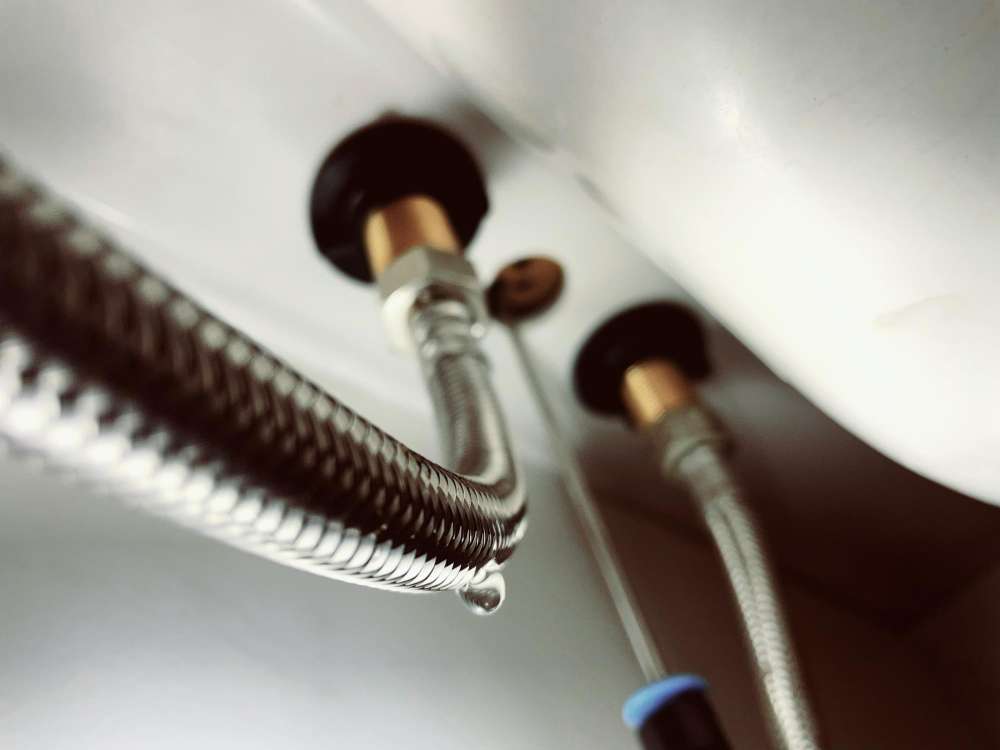
Check the Water Heater for Leaks and Corrosion
Inspect the area around your water heater for moisture, corrosion, staining, or active leaks.
Look around accessible plumbing connections, valves, the drain valve, and the floor surrounding the equipment.
A small amount of moisture shouldn’t automatically be dismissed because the heater still works. The source could be a plumbing connection, valve, nearby pipe, condensate line on applicable equipment, or the tank itself.
The location of the water matters.
A repairable fitting leak is very different from a tank that has begun leaking because the tank itself has failed. If you can’t identify where the water is coming from, professional leak detection can help determine the source.
Does a Gas Water Heater Need Different Maintenance?
Gas water heaters have combustion and venting components that require additional attention beyond basic tank maintenance.
Applicable systems should be checked for proper operation, and venting should remain intact and unobstructed. Problems involving burners, gas connections, combustion, or venting aren’t appropriate places for guesswork or inexperienced DIY repairs.
If you notice soot, unusual burner behavior, repeated shutdowns, unusual odors, or visible problems with the venting system, stop treating the issue as routine maintenance and have the equipment professionally evaluated.
What About Heat Pump and Tankless Water Heater Maintenance?
Heat pump and tankless water heaters have maintenance requirements that differ from conventional storage tanks.
Heat pump water heaters commonly include an air filter that requires periodic cleaning. ENERGY STAR also recommends cleaning condensate lines annually and notes that air filters commonly need cleaning every six to twelve months, depending on the model and environment.
Tankless systems don’t have a large storage tank or sacrificial anode rod like a traditional tank heater, but they can still require maintenance. Depending on the model and local water conditions, that can include inspection and descaling of the heat exchanger.
Whatever type of equipment you own, use its manufacturer’s instructions to determine the required procedures and schedule.
What Water Heater Warning Signs Should You Watch For?
Annual maintenance shouldn’t be the only time you pay attention to your water heater.
Call for an evaluation if you notice:
- Water collecting around the unit
- Visible corrosion or rust
- Hot water running out noticeably faster than before
- Water that doesn’t reach the expected temperature
- Unusual popping, rumbling, or banging sounds
- Repeated pilot or ignition problems on applicable models
- Discolored hot water
- Water temperature fluctuating unexpectedly
- A T&P valve that continually discharges water
- Signs of damage to gas venting components
These symptoms don’t all mean your water heater needs replacement. They do mean it’s worth determining what changed and why.
When Does Water Heater Maintenance Become a Repair?
Maintenance becomes a repair when inspection identifies a failed, damaged, or malfunctioning component that needs correction.
For example, routine inspection might uncover a leaking valve, failed heating element, ignition issue, deteriorated anode rod, or another component that needs attention.
That distinction is important because maintenance isn’t a guarantee that a water heater will never fail. Its value is in keeping components in good working order and creating opportunities to spot developing problems.
If your system needs more than routine maintenance, P&M provides water heater services for homeowners throughout the company’s Orange County service area.
Should You Maintain or Replace an Older Water Heater?
The decision to maintain, repair, or replace an older water heater should consider its age, condition, repair history, efficiency, tank integrity, and the cost of the repair.
Age alone doesn’t tell you exactly when a water heater will fail. Two units installed in the same year can have very different service histories and operating conditions.
However, an older unit that has developed a tank leak, requires repeated repairs, or no longer meets the household’s hot-water needs deserves a broader conversation than routine maintenance alone.
A professional evaluation can help you compare the condition of the existing unit with the cost and benefits of replacement instead of automatically choosing one option.
Water Heater Maintenance in Garden Grove and Orange County
Water heaters work every day, but their maintenance needs are easy to overlook until something changes.
P&M works with homeowners in Garden Grove and throughout central Orange County, including Anaheim, Westminster, Santa Ana, Huntington Beach, Irvine, and surrounding communities.
During a professional water heater evaluation, the goal isn’t simply to perform the same checklist on every unit. The heater type, age, condition, maintenance history, and manufacturer requirements all matter when deciding what the equipment actually needs.
If it’s been a while since your water heater received professional attention, book water heater maintenance today with P&M.
Frequently Asked Questions About Water Heater Maintenance
How often should a water heater be maintained?
Do water heaters need to be flushed every year?
What happens if you don’t flush a water heater?
How often should an anode rod be inspected?
Can I perform water heater maintenance myself?
Can regular maintenance make a water heater last longer?
What are signs my water heater needs professional service?
Keep Water Heater Maintenance on Your Annual Checklist
Water heater maintenance isn’t about replacing parts that don’t need replacing or performing the same procedure on every system. It’s about understanding what your particular water heater requires and checking it often enough to catch changes before they’re easy to miss.
Start with the manufacturer’s maintenance instructions. Watch for leaks, corrosion, unusual noises, and performance changes throughout the year. Then use routine professional maintenance to evaluate the components that aren’t as easy—or as safe—to inspect yourself.
If your water heater is due for attention, book water heater maintenance today with P&M.
Further Reading & References
- Water Heater Services
- Leak Detection
- Contact P&M
- Plumbing Services
- Residential Water Heater Guidance — U.S. Department of Energy