| Key Takeaway: Deciding whether to repair or replace a water heater comes down to age, condition, safety, and efficiency. |
Water heater repair vs replacement: which option saves you more in the long run?
Few things disrupt a household faster than a water heater that stops working. When the shower turns cold or hot water runs out too quickly, the question becomes immediate: water heater repair or replace? The right answer depends on more than today’s repair bill—it also depends on long-term reliability, energy use, and the risk of sudden failure.
Older water heaters often show subtle changes first: longer recovery times, inconsistent temperatures, odd rumbling sounds, or discolored water. These symptoms can signal sediment buildup, failing parts, or corrosion. Addressing problems early can help you avoid repeated service calls and reduce the chance of an emergency replacement.
This guide walks through the most important decision factors—warning signs, lifespan by unit type, repair scenarios, replacement scenarios, and efficiency upgrades—so you can make a cost-effective choice. If you need professional help evaluating your setup, a licensed plumber can diagnose the issue and recommend the next step through full plumbing services.
What are the most common signs a water heater is failing?
Inconsistent temperature, rust-colored water, unusual tank noises, and moisture around the unit are among the most common signs of trouble. These problems are often linked to sediment buildup, aging components, or corrosion inside the tank.
Watch for these common signs water heater is failing:
- Hot water doesn’t last or takes longer to recover
- Water looks cloudy or rusty (especially at hot taps)
- Rumbling, popping, or knocking from the tank (often hardened sediment)
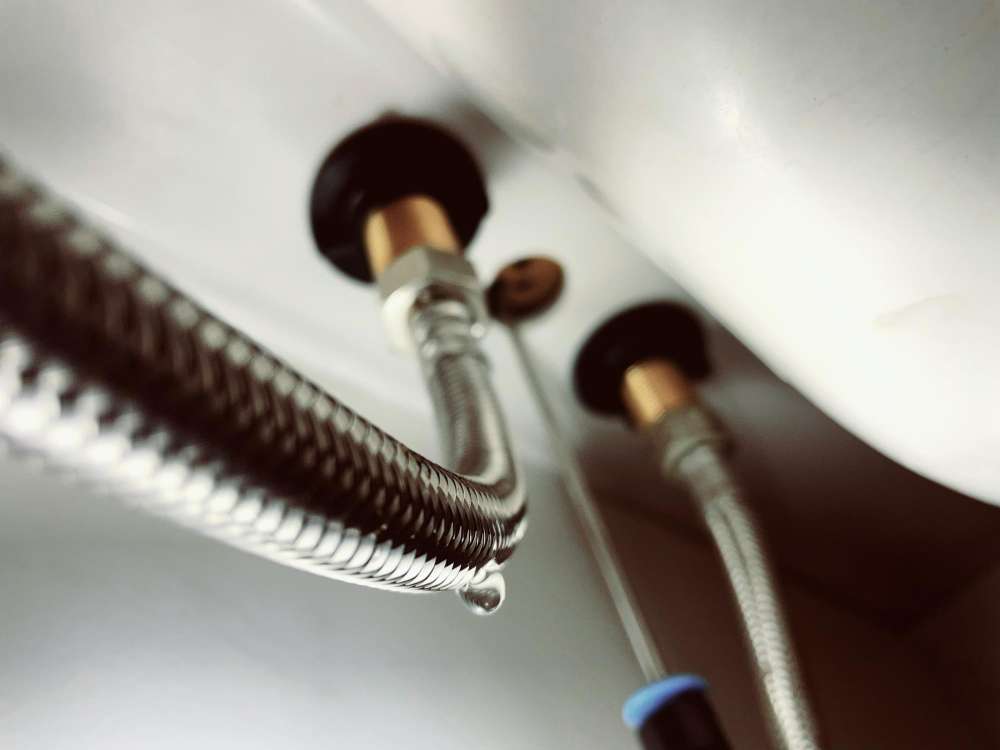
- Moisture or pooling water near the base of the heater
- Fluctuating water temperature during use
If you notice water around the unit, it’s worth acting quickly. A leak can range from a loose connection to a failing tank seam, and the sooner you identify the source, the better your odds of preventing damage. Professional leak detection can confirm whether it’s a repairable fitting issue or a sign that replacement is needed.
How long does a water heater typically last?
Most tank-style water heaters last around 8 to 12 years, while tankless units can often last up to 20 years with proper maintenance. Actual lifespan depends on water quality, usage, installation quality, and maintenance routines like flushing or descaling.
Here’s a practical way to think about lifespan:
- Tank water heaters: Often 8–12 years (varies with maintenance and water conditions)
- Tankless water heaters: Often up to ~20 years with regular descaling and service
If you’re unsure what you have—or what condition it’s in—reviewing your current setup and options can help. A quick overview of system types, benefits, and maintenance needs is available on PNM Plumbing’s water heaters page.
Interesting Facts About Water Heater Repair vs Replacement
Making the decision between water heater repair or replace can feel overwhelming, but knowing a few key facts can help homeowners make a confident, informed choice.
- Small leaks at fittings or valves can sometimes be fixed quickly, but tank leaks typically mean replacement—early leak detection helps confirm the source.
- Tank systems often lose efficiency over time due to sediment buildup, which can increase energy use even before the heater “fails.”
- Tankless units can last longer, but they still require routine maintenance to prevent scaling and performance loss.
- Upgrading through trusted brand partners can improve efficiency, reliability, and warranty protection.
- Understanding the cost to replace water heater options upfront helps you compare repair spending against long-term value.
When does it make sense to repair a water heater instead of replacing it?
Repairing usually makes sense when the unit is relatively new, the issue is isolated, and the tank itself is in good condition. If the heater is under roughly 5–6 years old and the problem is a failed thermostat, heating element, valve, or igniter, a repair can restore performance without the larger investment of replacement.
Repair tends to be the cost-effective path when:
- The unit is within the early-to-mid portion of its expected lifespan
- There is no corrosion or tank damage
- The issue is a single, identifiable component
- You haven’t had repeated breakdowns or multiple repairs in a short period
If you’re dealing with a sudden loss of hot water, quick diagnosis matters. Access to 24/7 emergency service can restore comfort faster and help prevent secondary damage if the problem involves a leak.
When is replacing a water heater the smarter long-term choice?
Replacement is typically the better long-term choice when the heater is near the end of its lifespan, needs frequent repairs, or shows signs of tank failure. Even if a repair works today, older systems often continue to break down and may waste energy due to reduced efficiency.
Replacement is usually the more cost-effective option when:
- The unit is 8–12+ years old (tank-style) or showing age-related decline
- You’ve needed multiple repairs in the last 12–24 months
- The heater is leaking from the tank (not from a fitting)
- Energy bills are rising and the system struggles to keep up
- Rust, heavy sediment, or corrosion is impacting performance
Understanding the full scope of replacement—including removal of the old unit, code considerations, and installation details—helps you compare apples to apples. A pricing overview is available at water heater installation pricing in California.
How do energy efficiency and performance upgrades change the math?
Newer water heaters often provide better efficiency and more reliable hot water delivery, which can offset a higher upfront cost over time. Older units can develop insulation loss, sediment problems, and worn components that force them to run longer and harder for the same output.
Efficiency-related benefits of replacing can include:
- Reduced standby heat loss (especially with improved insulation and design)
- More consistent temperature and faster recovery during peak use
- Lower maintenance frequency compared to limping along with repeated repairs
If you’re considering a new unit, choosing proven options from PNM Plumbing’s brand partners helps ensure quality and long-term reliability.
Why do size, placement, and household usage matter for cost-effectiveness?
A correctly sized, properly installed water heater can reduce energy waste and improve comfort. If your unit is too small, it may constantly struggle and wear out faster. If it’s too large, you may pay more to heat and maintain water you rarely use.
Placement also matters. Poor ventilation, tight clearances, and outdated venting or plumbing configurations can contribute to premature wear or code issues. When replacing, a plumber can evaluate whether adjusting placement improves safety, access for maintenance, and long-term performance. If you’re in the area, working with a team familiar with local requirements through PNM Plumbing’s service area helps ensure proper sizing and compliant installation.
Water heater repair vs replacement FAQs
How do I know if my water heater leak is repairable?
What’s the most cost-effective rule of thumb for repair vs replacement?
Does tankless always save money long-term?
Who should I call if my water heater fails after hours?
Make the decision before it becomes an emergency
If your water heater is young and the issue is clearly repairable, fixing it can be the fastest and most affordable move. If it’s older, inefficient, or showing signs of tank failure, replacement often protects you from repeated repair bills, water damage risks, and rising energy costs.
For a clear, professional recommendation, reach out through PNM Plumbing’s contact page to schedule an inspection and get a repair-vs-replace assessment based on your unit’s age, condition, and your household’s hot water needs.